Become a Master Learner: Develop Skills for a Lifetime of Knowledge
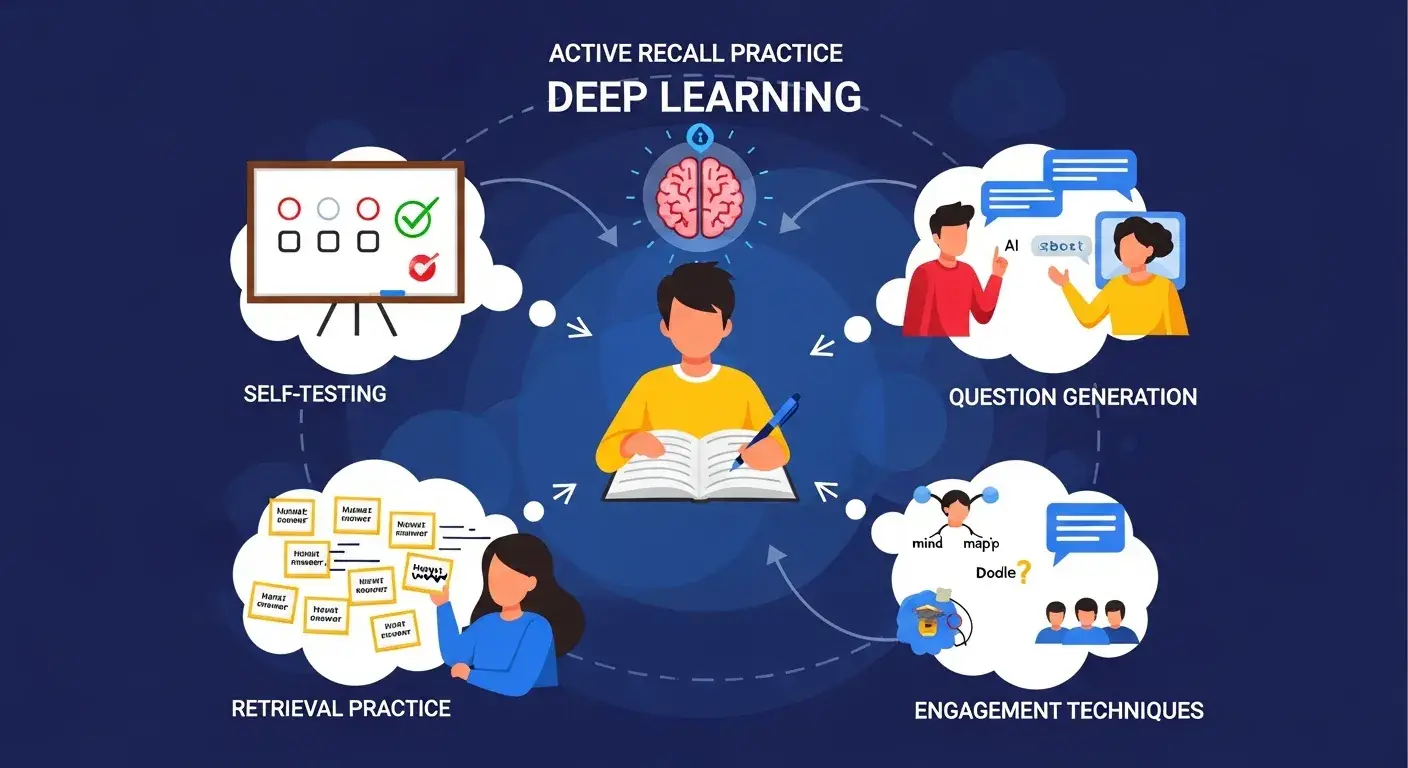
Embarking on a journey to become a master learner is not just about acquiring new information; it's about cultivating a sustainable, adaptable approach to knowledge acquisition that will serve you throughout your life. In a world that is constantly evolving, the ability to learn effectively is paramount. This isn't a skill reserved for academics; it's a crucial competency for professionals, hobbyists, and lifelong enthusiasts alike. By developing a robust learning toolkit, you can navigate complex challenges, embrace new opportunities, and continuously grow. This guide will equip you with the strategies and mindset to become a truly masterful learner, fostering a lifetime of curiosity and knowledge.
Key Points:
- Cultivate a Growth Mindset: Embrace challenges and view failures as learning opportunities.
- Master Active Learning Techniques: Move beyond passive consumption to engage deeply with material.
- Develop Effective Information Processing: Learn to discern, retain, and apply knowledge efficiently.
- Prioritize Metacognitive Skills: Understand your own learning process to optimize strategies.
- Embrace Lifelong Learning: Foster curiosity and make learning an integral part of your routine.
The Foundation of a Master Learner: Cultivating the Right Mindset
At the heart of becoming a master learner lies a fundamental shift in perspective: adopting a growth mindset. This concept, popularized by psychologist Carol Dweck, posits that our abilities and intelligence are not fixed but can be developed through dedication and hard work. When you believe that your learning capacity is malleable, you approach challenges with enthusiasm rather than dread. This mindset encourages persistence in the face of setbacks, viewing them not as indicators of inherent limitation but as valuable feedback loops.
Embracing Challenges and Navigating Setbacks
A master learner understands that difficulty is an inherent part of the learning process. Instead of avoiding complex topics, they actively seek them out, recognizing that pushing boundaries is where true growth occurs. When faced with a challenge, the internal monologue shifts from "I can't do this" to "How can I learn to do this?" This proactive stance, combined with a willingness to experiment with different approaches, is essential for overcoming obstacles. Failure is not the opposite of success; it's a stepping stone towards it.
The Power of Curiosity and Intrinsic Motivation
Genuine curiosity is the engine that drives lifelong learning. A master learner is intrinsically motivated, driven by an internal desire to understand, explore, and discover. This intrinsic motivation is far more potent and sustainable than external rewards. It fuels the willingness to delve deeper, ask more probing questions, and connect seemingly disparate pieces of information. Cultivating this sense of wonder is the first step in building a sustainable learning habit.
Strategies for Active and Engaging Learning
Passive learning, such as simply reading a book or watching a lecture without engagement, is largely ineffective for long-term retention. To truly master a subject, you must become an active participant in your own learning journey. This involves employing techniques that force your brain to process, synthesize, and apply information.
Active Recall and Spaced Repetition
Two powerful techniques for effective learning are active recall and spaced repetition. Active recall involves testing yourself on material without looking at your notes. Instead of rereading, you force your brain to retrieve information, strengthening the neural pathways associated with that knowledge. Spaced repetition builds upon this by revisiting information at increasing intervals. This strategy combats the natural forgetting curve, ensuring that newly acquired knowledge becomes deeply ingrained in your long-term memory. For instance, a study published in the Journal of Experimental Psychology: Applied in 2024 demonstrated that students using spaced repetition saw a 30% improvement in recall compared to those using massed practice.
The Feynman Technique: Understanding by Teaching
The Feynman Technique, named after Nobel Prize-winning physicist Richard Feynman, is an exceptionally effective method for ensuring deep understanding. It involves explaining a concept in simple terms, as if you were teaching it to someone who knows nothing about the subject. This process immediately highlights gaps in your own knowledge, forcing you to revisit the material and clarify complex ideas. Simplifying jargon, using analogies, and identifying areas where your explanation falters are crucial steps.
Note-Taking Systems for Clarity and Retention
Effective note-taking goes beyond transcribing information. Systems like the Cornell Note-Taking Method or mind mapping encourage structured engagement with the material. The Cornell method divides your paper into three sections: main notes, cues, and summary. This encourages active processing during and after the learning session. Mind mapping, on the other hand, visually organizes information, helping you see relationships between concepts. Choosing the right note-taking system can significantly improve information processing and recall, as highlighted in a 2025 review of learning strategies by educational psychologists.
Developing Information Processing and Application Skills
Acquiring knowledge is only part of the equation; the ability to process, filter, and apply that knowledge effectively is what transforms information into wisdom. In today's information-saturated world, this skill is more critical than ever.
Critical Thinking and Information Evaluation
Master learners are adept critical thinkers. They don't accept information at face value but question its source, validity, and potential biases. This involves developing a healthy skepticism and learning to identify logical fallacies, propaganda, and misinformation. This skill is essential for navigating the digital landscape, where the sheer volume of data can be overwhelming and misleading. Developing this capability allows you to discern credible sources and build a solid foundation of accurate knowledge.
Synthesis and Connection: Building a Knowledge Network
True mastery involves not just understanding individual concepts but seeing how they connect. This is the art of synthesis. Master learners actively look for patterns, relationships, and underlying principles that link different pieces of information. By building a mental "knowledge network," you can draw on a wider range of insights to solve problems and generate new ideas. Think of it like connecting the dots; the more dots you have and the more you understand their relationships, the clearer the overall picture becomes.
Practical Application and Skill Transfer
Knowledge is most valuable when it can be applied. Master learners actively seek opportunities to put what they've learned into practice. This could involve applying a new skill in your job, experimenting with a concept in a personal project, or teaching others. The process of application reveals the nuances and practical challenges of a subject, leading to deeper understanding and solidifying learning. The ability to transfer knowledge from one context to another is a hallmark of advanced learning.
Metacognition: Understanding Your Learning Process
Perhaps one of the most underappreciated skills of a master learner is metacognition, often referred to as "thinking about thinking." It's the ability to understand your own learning processes, strengths, and weaknesses, and to strategically adjust your approach accordingly.
Self-Awareness of Learning Styles and Preferences
Do you learn best by reading, listening, doing, or a combination? Are you a visual or auditory learner? While the strict adherence to "learning styles" has been debated, understanding your preferences and what environments optimize your focus and engagement is crucial. Are you more productive in a quiet library or a bustling café? Do you concentrate better in the morning or evening? Identifying these factors allows you to design a learning environment that supports your unique needs.
Planning, Monitoring, and Evaluating Learning
Metacognition involves a continuous cycle of planning, monitoring, and evaluating your learning.
- Planning: Before starting a learning task, strategize your approach. What are your goals? What resources will you need? What specific techniques will you employ?
- Monitoring: Throughout the learning process, regularly check your understanding. Are you making progress? Are your chosen methods effective? Do you need to change tactics?
- Evaluating: After completing a learning task or achieving a goal, reflect on your performance. What worked well? What could you have done differently? What did you learn from the experience itself?
This reflective practice helps you become a more efficient and effective learner over time. Research from the University of Cambridge in 2023 emphasized the critical role of metacognitive strategies in academic success and lifelong learning.
Cultivating a Habit of Lifelong Learning
Becoming a master learner is not a destination but an ongoing journey. It requires commitment and a conscious effort to integrate learning into the fabric of your life.
Creating a Supportive Learning Environment
Your physical and digital environment can significantly impact your ability to learn. Designate a quiet, comfortable space for focused study, free from distractions. Organize your digital resources, declutter your desktop, and curate your online information intake to minimize interruptions. This optimization of your learning environment is a core component of effective personal development.
The Importance of Rest and Reflection
Learning is not a constant grind. Adequate rest, sleep, and periods of unstructured reflection are vital for memory consolidation and creative thinking. Don't underestimate the power of stepping away from a problem or topic; often, insights emerge when your mind is allowed to wander. Prioritizing downtime allows your brain to process information and make new connections, enhancing overall learning capacity.
Staying Updated and Embracing New Modalities
The world of knowledge is dynamic. Master learners stay abreast of developments in their fields of interest and are open to new learning modalities. This could include exploring podcasts, online courses, interactive simulations, or even informal learning through communities and mentors. The latest trends in educational technology, as observed in 2024, point towards the increasing integration of AI-powered learning tools and immersive experiences, further expanding learning possibilities.
Frequently Asked Questions
Q1: How can I overcome procrastination when it comes to learning new skills? A: Break down large learning tasks into smaller, manageable steps. Focus on completing just one small step at a time, which can build momentum. Reward yourself for completing these smaller goals. Also, identify the root cause of your procrastination – is it fear of failure, lack of interest, or feeling overwhelmed? Addressing the underlying issue is key.
Q2: What is the best way to retain information I learn? A: Combine active recall with spaced repetition. Regularly test yourself on what you've learned without looking at your notes. Revisit material at increasing intervals. Furthermore, try to teach the concept to someone else or explain it in your own words, as the Feynman Technique suggests, to solidify your understanding.
Q3: How do I know if I'm truly understanding a concept, not just memorizing it? A: True understanding means you can explain the concept in simple terms, apply it to new situations, and connect it to other related ideas. If you can answer "why" questions, identify its limitations, and use it to solve problems, you've likely achieved a deeper level of comprehension than mere memorization.
Q4: Is it ever too late to become a master learner? A: Absolutely not! The capacity for learning is lifelong. While younger brains may have certain advantages, older adults often possess greater wisdom, focus, and established learning strategies that can be refined. The key is a consistent effort and a willingness to adapt and grow, regardless of age.
Conclusion: Your Journey to Lifelong Knowledge
Becoming a master learner is an empowering endeavor that unlocks a lifetime of intellectual growth and personal fulfillment. By cultivating a growth mindset, embracing active learning strategies, honing your information processing skills, and developing strong metacognitive abilities, you equip yourself with the tools to thrive in any learning environment. Remember, this is a continuous process of discovery and refinement.
The pursuit of knowledge is a marathon, not a sprint. Stay curious, stay engaged, and embrace the challenges that come your way.
What are your biggest learning challenges? Share your thoughts and strategies in the comments below! For readers interested in optimizing their personal development journey, exploring articles on effective time management techniques or building resilient habits could provide further valuable insights.
Information Timeliness: This article was last updated on January 21, 2026. The insights and strategies presented are based on current research and best practices in learning science and cognitive psychology, relevant for the period up to 2025.
Future Content Expansion:
- Advanced techniques for memory enhancement and cognitive training.
- Leveraging AI and technology for personalized learning experiences.
- Developing expertise in niche subjects: strategies for deep dives.