Beyond Lectures: Implementing Collaborative Active Learning for Enhanced Classroom Engagement
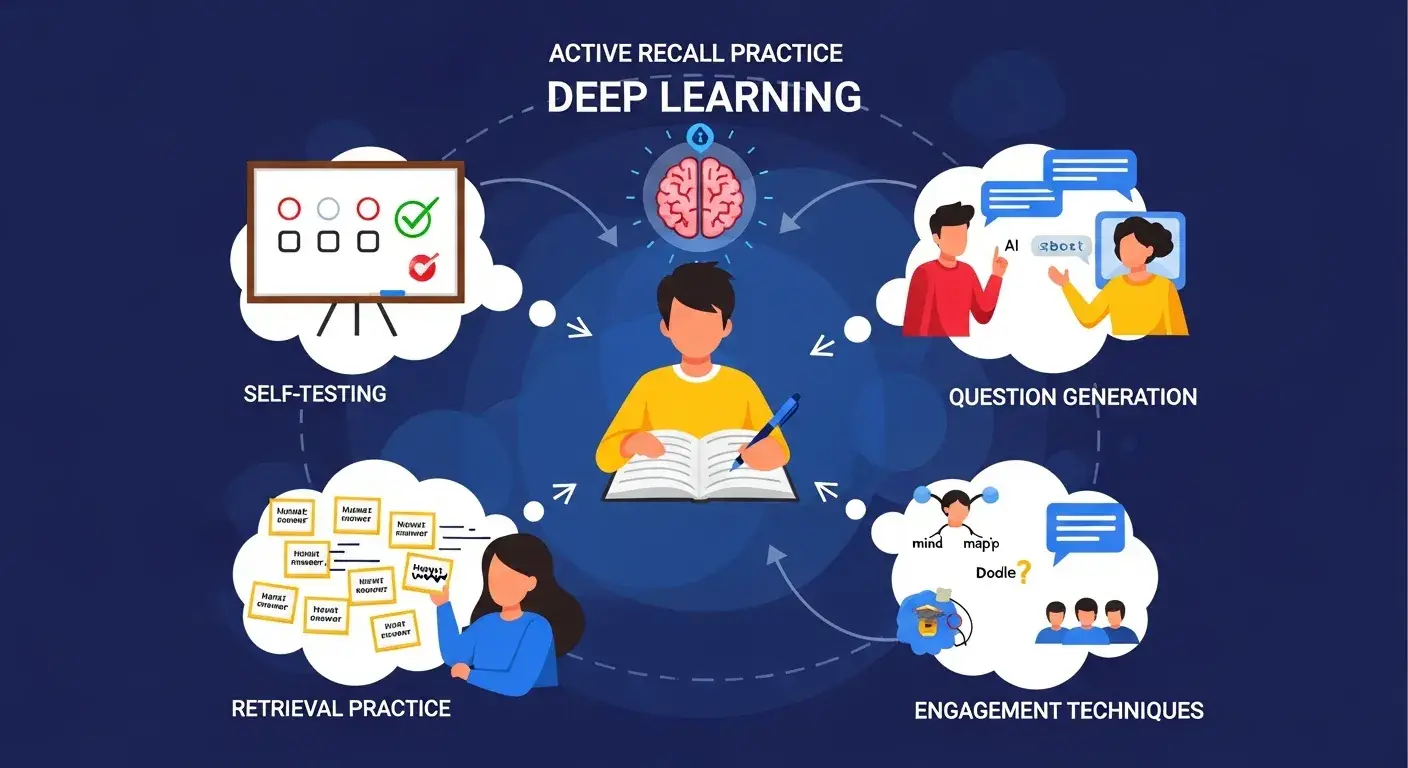
In today's dynamic educational landscape, the traditional lecture format is often falling short in fostering deep understanding and sustained student interest. Educators are increasingly turning to innovative pedagogical approaches to enhance classroom engagement and improve learning outcomes. One such powerful method is collaborative active learning, a strategy that moves students from passive recipients of information to active participants in their educational journey. This article delves into the principles, implementation strategies, and benefits of integrating collaborative active learning into any classroom setting, offering practical insights for educators ready to transform their teaching practices.
Key Points for Implementing Collaborative Active Learning:
- Shift from Lecture-Centric to Student-Led: Empower students through interactive tasks.
- Design Purposeful Group Activities: Ensure tasks align with learning objectives.
- Foster Peer-to-Peer Interaction: Encourage discussion, problem-solving, and shared understanding.
- Utilize Modern Digital Tools: Leverage technology for seamless collaboration and feedback.
- Provide Clear Guidelines and Support: Set expectations and offer scaffolding for group work.
What is Collaborative Active Learning and Why It Matters for Enhanced Engagement?
Collaborative active learning represents a significant shift from traditional teaching methods. Instead of the instructor being the sole source of knowledge, students work together in groups to solve problems, discuss concepts, and create projects, thereby actively constructing their own understanding. This approach is rooted in constructivist learning theories, emphasizing that learning is most effective when it's an active process of meaning-making. When students engage in collaborative active learning, they are not just memorizing facts; they are analyzing, synthesizing, and evaluating information, which leads to deeper cognitive processing and retention.
The primary benefit of this pedagogical shift is its profound impact on enhanced classroom engagement. Students are more motivated when they feel a sense of ownership over their learning and when they interact meaningfully with their peers. This peer-to-peer interaction builds a supportive learning community, reduces feelings of isolation, and cultivates essential soft skills like communication, teamwork, and conflict resolution—skills vital for future success. A 2024 review in the Journal of Higher Education Pedagogy highlighted that courses incorporating regular active learning tasks reported up to a 15% increase in student satisfaction and a notable decrease in D/F rates compared to lecture-only formats.
Core Principles for Effective Collaborative Active Learning Strategies
Successful implementation of collaborative active learning hinges on several core principles that guide both activity design and classroom facilitation. These principles ensure that group work is productive, equitable, and genuinely contributes to learning objectives. Embracing these foundational ideas helps educators create a robust framework for interactive learning strategies.
Designing Impactful Collaborative Activities for Active Learning
The heart of collaborative active learning lies in the activities themselves. These are not merely busywork but carefully designed tasks that require genuine interaction and collective problem-solving. Effective activities should challenge students intellectually and encourage diverse perspectives. Here are several popular and highly effective methods:
- Think-Pair-Share: Students first ponder a question individually, then discuss their thoughts with a partner, and finally share their combined ideas with the larger group. This method is excellent for initiating discussions and gauging initial understanding.
- Jigsaw Technique: Each student in a group becomes an "expert" on a specific segment of a topic, teaches it to their group, and then learns from their peers' expertise. This fosters interdependence and deepens individual accountability.
- Problem-Based Learning (PBL): Students work in small groups to solve complex, real-world problems. The problem drives the learning, requiring students to research, collaborate, and present solutions. This approach develops critical thinking and problem-solving skills.
- Case Studies: Groups analyze detailed scenarios, identifying key issues, discussing potential solutions, and justifying their recommendations. Case studies are particularly effective in fields requiring analytical and decision-making skills.
Beyond these established methods, modern educators are finding success by integrating digital collaboration tools to enhance their active learning activities. Platforms like shared document editors, virtual whiteboards, and online discussion forums can facilitate seamless group work, especially in hybrid or online settings. This approach allows for asynchronous collaboration and provides a digital record of group progress, offering unique insights not always possible in physical settings. For more strategies on leveraging technology, consider reading about leveraging-technology-for-interactive-learning.
Facilitating Group Dynamics and Maximizing Student Participation
The instructor's role in collaborative active learning shifts from lecturer to facilitator. This involves more than just assigning group work; it requires actively managing group dynamics and ensuring equitable participation.
- Establish Clear Expectations: Define roles (e.g., leader, recorder, timekeeper), set ground rules for respectful communication, and explain how group work will be assessed.
- Monitor and Intervene: Circulate among groups, listen to discussions, and offer guidance when groups get stuck or stray off-topic. Intervene to address conflicts or ensure all voices are heard.
- Promote Accountability: Implement strategies such as peer evaluations or individual reflections on group contributions to hold each student accountable for their part.
- Strategically Form Groups: Consider forming diverse groups (e.g., mixing skill levels, backgrounds) to encourage varied perspectives and mutual learning. Random grouping can also prevent cliques.
One powerful differentiation point in modern active learning is the integration of multi-faceted assessment for collaborative work. Instead of a single group grade, consider using a combination of individual contributions, peer evaluations, self-reflections, and the quality of the final group output. This approach provides a more holistic and fair evaluation of learning within a collaborative context, as emphasized by the Educational Technology Review in early 2025.
Overcoming Challenges in Implementing Active Learning Techniques
While the benefits of implementing active learning techniques are clear, educators often encounter challenges. These can range from student resistance to logistical hurdles. Addressing these proactively is key to successful integration.
- Student Resistance: Some students, accustomed to traditional lectures, may initially resist active learning, perceiving it as more work or less efficient. Solution: Explain the pedagogical rationale behind active learning, emphasizing its benefits for deeper understanding and skill development. Start with low-stakes activities and gradually increase complexity.
- Time Constraints: Designing and facilitating active learning activities can feel more time-consuming than delivering a lecture. Solution: Begin by converting small portions of lectures into active tasks. Utilize pre-class assignments (e.g., readings, videos) to free up class time for interactive work.
- Classroom Setup: Large classes or inflexible room layouts can pose challenges for group work. Solution: Explore creative grouping strategies, such as "turn-to-your-neighbor" activities in rows, or use digital breakout rooms for online components.
- Managing "Free Riders": Ensuring all group members contribute equally is a common concern. Solution: Implement clear individual accountability measures like specific roles, peer evaluations, and individual components within group projects.
Measuring Success and Sustaining Enhanced Classroom Engagement
To ensure collaborative active learning is truly effective, it's crucial to measure its impact and continuously refine strategies. Assessment should reflect the active nature of the learning.
- Observe and Reflect: Pay close attention to student interactions, questions asked, and critical thinking demonstrated during activities. Use these observations to adjust future tasks.
- Gather Student Feedback: Anonymous surveys or informal check-ins can provide valuable insights into what's working well and what needs improvement from the student perspective.
- Analyze Performance Data: Compare student performance on active learning assessments (e.g., group projects, presentations, problem-solving tasks) with traditional assessments to gauge learning gains.
- Iterate and Improve: Based on observations and feedback, continually refine activities, adjust grouping strategies, and experiment with new interactive learning strategies.
According to a comprehensive study by the National Institute for Learning Outcomes Assessment in late 2023, institutions that systematically collected and acted upon feedback for their active learning programs showed a 10-12% higher rate of faculty adoption and sustained student engagement over three years. This underscores the importance of a continuous improvement cycle.
FAQ Section
Q1: What is the primary benefit of implementing collaborative active learning?
The primary benefit is a significant enhancement in classroom engagement, leading to deeper learning and improved student outcomes. Collaborative active learning encourages critical thinking, problem-solving, and the development of essential communication and teamwork skills. By actively participating, students move beyond rote memorization to truly understand and apply concepts, fostering a more dynamic and effective learning environment.
Q2: How can I ensure all students participate equally in group activities?
Ensuring equitable participation involves several strategies. Start by clearly defining individual roles within groups (e.g., facilitator, recorder, reporter) and setting expectations for contributions. Incorporate peer evaluations and self-reflections to foster accountability. Regularly monitor groups, offer guidance, and intervene if necessary to re-engage quieter members or manage dominant voices. Structuring tasks with clear individual components before group synthesis also helps.
Q3: Is collaborative active learning suitable for large classes?
Yes, collaborative active learning can be adapted for large classes, though it requires creative planning. Techniques like Think-Pair-Share or quick polling can be implemented easily. For more involved activities, consider utilizing technology such as online discussion boards or breakout rooms in virtual sessions. In physical spaces, strategic group formation and clear, concise instructions are vital to manage logistics effectively and maximize productive interaction.
Q4: How does collaborative active learning connect with mind mapping or visual learning?
Collaborative active learning pairs exceptionally well with mind mapping and visual learning strategies. When students work together to create a shared mind map, concept map, or visual representation of a problem, they are actively engaging with the material, negotiating meaning, and organizing information collaboratively. This not only deepens their understanding but also leverages the power of visual aids to synthesize complex ideas, making the learning process more inclusive and effective for diverse learners.
Conclusion
Moving beyond lectures towards implementing collaborative active learning is not just a trend but a transformative approach to education. By actively involving students in their learning journey through well-designed activities and thoughtful facilitation, educators can cultivate deeper understanding, critical thinking, and essential interpersonal skills. This pedagogical shift directly leads to enhanced classroom engagement, creating a more dynamic, inclusive, and effective learning environment for everyone.
Embrace the power of collaboration and active participation to truly empower your students. Start small, experiment with different strategies, and observe the profound impact on your classroom. We encourage you to share your experiences and insights in the comments below.
Further Reading and Exploration:
- Designing Engaging Activities for Hybrid Classrooms: Explore how to adapt active learning for blended and online settings.
- The Science of Learning: How Our Brains Absorb Information: Dive deeper into the cognitive benefits of active learning.
- Utilizing Peer Feedback for Student Growth: Discover strategies for effective peer assessment in collaborative projects.
Note on Timeliness: This article reflects pedagogical insights and technological trends up to late 2025. Educational technology and best practices evolve rapidly; therefore, it is recommended to review and update content annually to incorporate the latest research and tools in active learning.
Expandable Related Subtopics:
- AI-Powered Tools for Collaborative Learning: Exploring emerging AI assistants for group work, feedback, and personalization.
- Gamification in Active Learning: How game-based mechanics can further boost engagement and motivation in collaborative tasks.
- Measuring Long-Term Impact: Advanced methods for assessing the sustained effects of collaborative active learning on student career readiness and lifelong learning skills.