Boost Knowledge Retention: Implementing Active Learning in Online Courses
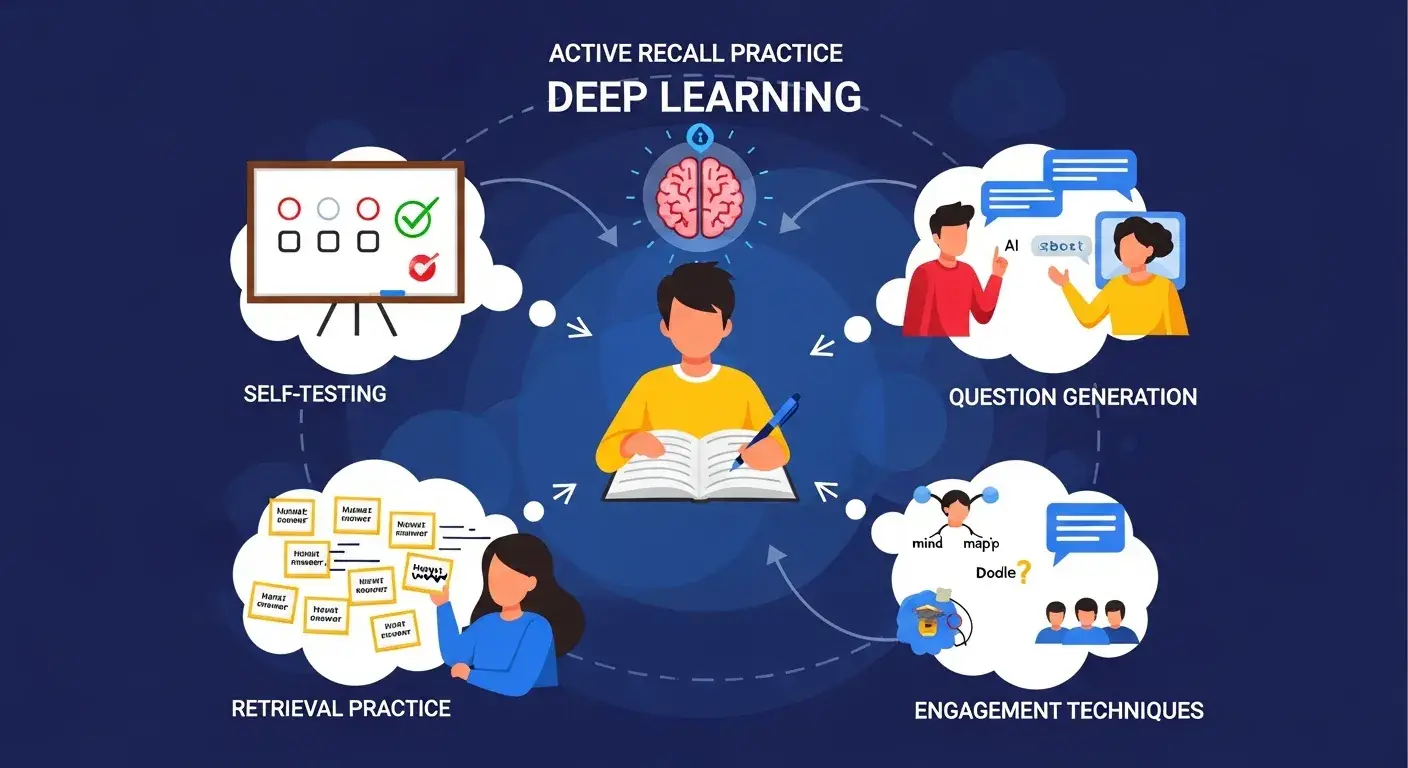
Boost Knowledge Retention: Implementing Active Learning in Online Courses
In the rapidly evolving landscape of digital education, merely presenting information is no longer sufficient. To truly boost knowledge retention and ensure deep understanding, educators must move beyond passive consumption. Implementing active learning in online courses is the strategic imperative for enhancing learner engagement and achieving superior educational outcomes. This approach transforms students from passive recipients into active participants in their learning journey.
This article delves into the power of active learning, offering practical strategies and insights to integrate these methods effectively into your virtual classrooms. We will explore how interactive techniques can significantly improve how students process, store, and recall information, ultimately leading to more meaningful and lasting learning experiences.
Key Points:
- Active learning significantly improves long-term knowledge retention.
- Engages students through participation, not just observation.
- Applicable strategies include collaborative projects and peer instruction.
- Overcomes common challenges specific to online environments.
- Essential for fostering critical thinking and problem-solving skills.
Why Active Learning is Crucial for Knowledge Retention in Online Courses
The shift to online learning has brought unprecedented flexibility but also unique challenges, particularly concerning student engagement and memory consolidation. Traditional passive methods, like watching lengthy video lectures, often lead to superficial understanding and poor retention. This is where active learning in online courses truly shines. Instead of simply absorbing content, students are asked to do something with the material – discuss, apply, create, or evaluate. This active engagement strengthens neural pathways, making information more accessible and recall more efficient.
By deliberately integrating tasks that require higher-order thinking, educators can significantly enhance how learners interact with course content. This approach not only makes learning more enjoyable but also directly addresses the cognitive science behind effective memory and comprehension.
What is Active Learning and Its Core Principles?
Active learning encompasses a range of instructional strategies that require students to actively participate in the learning process. Unlike passive learning, where students primarily listen and observe, active learning demands engagement through activities such as problem-solving, group work, discussions, and reflection. The ultimate goal is to move information beyond short-term memory into long-term retention.
Fundamental Principles Driving Active Engagement
The effectiveness of active learning stems from several key pedagogical principles:
- Constructivism: Learners build knowledge through their own experiences and interactions. Active learning encourages students to construct meaning from new information.
- Cognitive Engagement: It necessitates deeper processing of information, moving beyond mere recognition to analysis, synthesis, and evaluation. This deeper processing is essential for long-term memory formation.
- Immediate Feedback: Opportunities for self-assessment and instructor feedback are often built into active learning activities, helping students identify misconceptions and refine their understanding in real-time.
- Social Interaction: Many active learning strategies involve peer-to-peer communication, fostering a sense of community and allowing students to articulate their thoughts, which further solidifies their learning.
According to a 2024 meta-analysis published in the Review of Educational Research, active learning approaches in online environments showed an average effect size of 0.47 on student performance compared to traditional methods, emphasizing their role in enhancing understanding and retention.
Implementing Active Learning in Virtual Classrooms: Practical Strategies
Successfully implementing active learning in virtual classrooms requires thoughtful design and the strategic use of digital tools. Here are several actionable strategies that can transform your online courses:
1. Collaborative Projects and Group Activities
Group work in online settings can foster a strong sense of community and shared responsibility, crucial for collaborative learning approaches. Students learn from each other, articulate their understanding, and develop critical teamwork skills.
- Online Discussion Forums: Move beyond simple responses. Design forums with challenging scenarios, case studies, or debate prompts that require critical thinking and evidence-based arguments. Encourage peer feedback and rubric-based evaluation.
- Virtual Group Projects: Assign projects that require students to collaborate on a shared document (Google Docs, Microsoft Teams), create a presentation, or develop a solution to a real-world problem. Tools like Zoom breakout rooms facilitate synchronous group discussions. A recent report by Educause (2025) indicated that courses incorporating structured virtual group projects reported a 15% increase in student satisfaction and perceived learning depth.
- Peer Instruction & Review: Implement peer review systems where students evaluate each other's assignments based on clear rubrics. This not only provides diverse feedback but also helps the reviewer solidify their own understanding by critically analyzing others' work. Consider linking this to structured peer collaboration strategies for deeper impact. You can learn more about this in our category on /categories/collaborative-learning-approaches.
2. Interactive Quizzes and Micro-Assessments
Frequent, low-stakes assessments can serve as powerful active learning tools, promoting recall and identifying knowledge gaps early.
- Embedded Quizzes: Integrate short quizzes or polls directly within video lectures or reading materials. Tools like H5P or interactive video platforms allow for questions to pause content until answered.
- "Think-Pair-Share" Adapations: Pose a question, give students time to formulate an individual answer, then have them discuss in small breakout rooms, and finally share with the larger group. This process actively involves every student.
- Adaptive Learning Paths: Utilize platforms that adjust content difficulty based on student performance in quizzes. This personalized approach ensures students are continually challenged at their appropriate learning edge.
3. Simulations, Gamification, and Case Studies
Engaging students through experiential learning or game-like elements can significantly boost knowledge retention by making the learning process more immersive and enjoyable.
- Virtual Simulations: For subjects like science, engineering, or business, virtual labs or simulations allow students to experiment and apply theoretical knowledge in a risk-free environment. This hands-on experience imprints concepts more deeply than abstract explanations.
- Gamified Learning: Incorporate elements like points, badges, leaderboards, and challenges into your course design. These techniques can motivate students and provide immediate feedback, making learning more dynamic. Explore more about /articles/leveraging-gamification-for-learner-engagement.
- Interactive Case Studies: Present real-world scenarios that require students to analyze information, make decisions, and justify their reasoning. This promotes critical thinking and problem-solving skills, making learning relevant and memorable.
Overcoming Challenges in Online Active Learning Implementation
While the benefits are clear, implementing active learning online isn't without its hurdles. Common challenges include technology barriers, managing group dynamics remotely, and initial instructor workload.
- Technology Fluency: Ensure students and instructors are comfortable with the chosen digital tools. Provide clear tutorials and technical support. Start with simpler tools and gradually introduce more complex ones.
- Managing Engagement: Without the physical presence, it's harder to gauge student engagement. Use frequent check-ins, polls, and require camera usage in synchronous sessions (if feasible) to encourage presence.
- Instructor Workload: Active learning can initially increase preparation time. However, many activities can be designed to be student-led or peer-graded, reducing long-term burden. Investing in robust learning management system (LMS) features for assignment submission and group formation can also streamline processes. Research from the Learning Policy Institute (late 2023) highlighted that sustained professional development for instructors in active online pedagogy significantly mitigates initial workload concerns.
Measuring the Impact of Active Learning on Knowledge Retention
To truly understand if your strategies are working to boost knowledge retention, consistent measurement is key. Beyond traditional exams, consider a multi-faceted approach:
- Pre and Post-Assessments: Use diagnostic quizzes before and after implementing active learning modules to track improvement in specific knowledge areas.
- Performance on Application-Based Tasks: Evaluate how well students can apply concepts in projects, case studies, or simulations, rather than just recall facts.
- Student Self-Reflection: Ask students to reflect on their learning process, what they found challenging, and how their understanding evolved. This provides qualitative insights into their retention and meta-cognitive skills.
- Longitudinal Studies: Track student performance in subsequent courses or their professional lives to observe the long-term impact of deep learning.
Frequently Asked Questions (FAQ)
Q: What is the primary benefit of active learning over passive learning in online courses? A: The primary benefit is significantly improved knowledge retention and deeper understanding. Active learning strategies require students to interact with, apply, and synthesize information, which strengthens memory pathways and fosters critical thinking, moving beyond mere recognition to true comprehension and application of concepts.
Q: How can I encourage shy students to participate in online active learning activities? A: To encourage shy students, start with anonymous activities like polls or written reflections. Gradually introduce small group discussions before larger class interactions. Providing clear expectations, a supportive environment, and using structured prompts can also help build confidence and facilitate participation without feeling overly exposed.
Q: Are there specific online tools that are best for implementing active learning? A: Many tools support active learning. Discussion forums (LMS native), collaborative documents (Google Workspace, Microsoft 365), interactive presentation tools (Pear Deck, Nearpod), virtual whiteboards (Miro, Jamboard), and polling tools (Poll Everywhere, Mentimeter) are excellent choices. The "best" tool often depends on the specific activity and course context.
Q: How much time should be allocated to active learning activities in an online course? A: The ideal allocation varies, but a common recommendation is to dedicate at least 30-50% of instructional time to active learning activities. This balance ensures students have sufficient time to engage with content actively without feeling overwhelmed. It's about quality and intentional design, not just quantity.
Cultivating Lifelong Learners Through Active Engagement
Implementing active learning in online courses is not just about improving grades; it's about cultivating a deeper, more enduring form of learning. By embracing these strategies, educators can empower students to become proactive, engaged learners who retain knowledge far beyond the final exam. The digital realm offers a rich toolkit for creating dynamic, interactive learning experiences that truly boost knowledge retention and prepare students for success in an ever-changing world.
We encourage you to experiment with these strategies and observe the transformative impact on your students' learning journeys. Share your experiences in the comments below, or subscribe to our newsletter for more insights on innovative teaching methods in online education.
Extended Reading Suggestions:
- Strategies for designing engaging online discussions.
- In-depth guides on utilizing educational technology for interactive learning.
- Research on the cognitive science behind memory and retention in digital environments.