Boosting Academic Performance: Practical Tips for Effective Learning
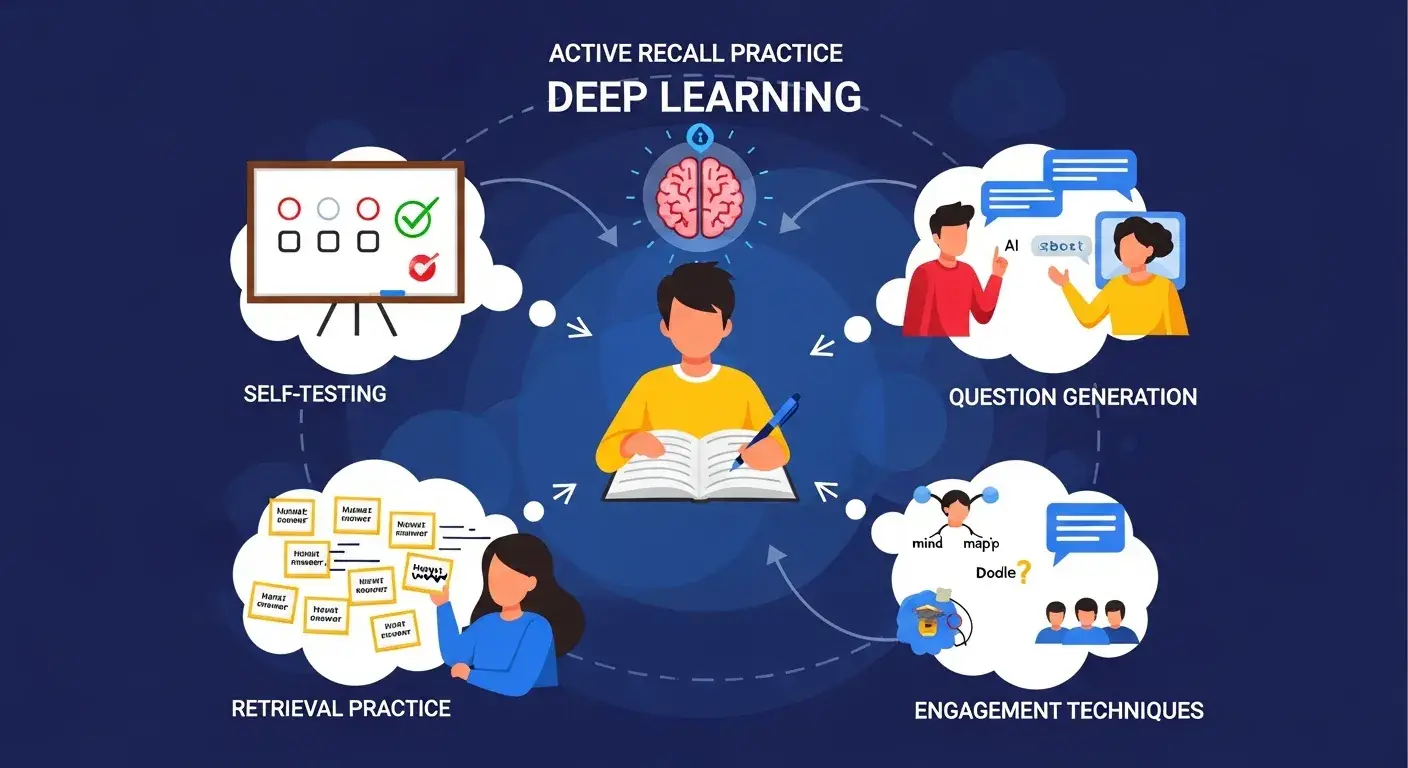
Boosting Academic Performance: Practical Tips for Effective Learning
Achieving academic success isn't just about intelligence; it's fundamentally about how you learn. Many students struggle not because they lack capability, but because they haven't yet discovered the most effective learning strategies tailored to their unique needs. This article delves into practical, evidence-based methods designed to significantly improve your study habits, enhance retention, and ultimately lead to boosting academic performance. By adopting a more strategic approach to your education, you can transform your learning experience from a passive endeavor into an active, engaging, and highly productive journey. We'll explore techniques that go beyond rote memorization, focusing on deeper understanding and long-term knowledge retention.
Key Points for Boosting Academic Performance
- Active Learning: Engage with material, don't just passively read.
- Strategic Study: Plan your learning with spaced repetition and interleaving.
- Mind-Body Connection: Prioritize sleep, nutrition, and stress management.
- Feedback Loop: Regularly test yourself and learn from mistakes.
- Self-Reflection: Understand your learning style and adapt strategies.
Understanding the Foundations of Effective Learning
Before diving into specific techniques, it's crucial to grasp the core principles that underpin truly effective learning. It's not about spending more hours studying, but about studying smarter. This involves understanding how your brain processes and retains information, and then aligning your study methods with these natural cognitive processes. Boosting academic performance starts with a shift in mindset from simply "getting through" material to actively mastering it.
The Science Behind Enhanced Academic Success
Modern cognitive science offers profound insights into how we learn best. Concepts like active recall, spaced repetition, and metacognition are not just buzzwords; they are powerful tools. For instance, research consistently shows that testing yourself is not merely an assessment tool but a potent learning strategy in itself. This act of retrieving information from memory strengthens neural pathways, making it easier to recall that information in the future. A study published in the Journal of Educational Psychology in late 2023 highlighted that students who regularly engaged in self-testing performed significantly better on final exams than those who only re-read material.
Practical Strategies for Boosting Academic Performance
Implementing a few key strategies can make a monumental difference in your academic journey. These tips are designed to be actionable and can be integrated into any study routine.
1. Embrace Active Learning and Retrieval Practice
Passive learning, like simply reading notes or watching lectures, often leads to an illusion of competence. You might feel like you understand the material, but true understanding comes from active engagement.
- Self-Quizzing: After reading a section, close your book and try to explain the concepts in your own words or answer potential exam questions. This is a form of retrieval practice, a highly effective method for solidifying memory.
- Flashcards: Create flashcards for key terms, concepts, and formulas. Don't just make them; actively use them to test yourself repeatedly.
- Teaching Others: Explaining a concept to someone else (or even an imaginary audience) forces you to organize your thoughts and identify gaps in your understanding. This is a powerful way to deepen your knowledge.
2. Optimize Your Study Schedule with Spaced Repetition and Interleaving
How you structure your study sessions is just as important as what you study. These techniques leverage how our memory works to improve long-term retention.
- Spaced Repetition: Instead of cramming, review material at increasing intervals over time. For example, review new information after one day, then three days, then a week, then two weeks. This combats the "forgetting curve" and embeds information more deeply. Digital tools like Anki can automate this process.
- Interleaving: Mix different subjects or topics during a single study session, rather than focusing on one subject for an extended period. For instance, instead of doing all math problems, then all history, alternate between them. This helps your brain make connections and improves problem-solving skills, as noted by a 2024 report from the National Center for Academic Success.
3. Master Effective Note-Taking Techniques
Your notes are a crucial resource, but only if they are effective. Move beyond simply transcribing lectures.
- Cornell Method: Divide your paper into three sections: main notes, cues/questions, and summary. This encourages active processing during and after the lecture.
- Mind Mapping: For visual learners, mind maps can help organize information hierarchically and show connections between ideas. Use colors and images to enhance recall.
- Summarize, Don't Transcribe: Focus on capturing the main ideas and key details in your own words. This forces immediate comprehension and reduces cognitive load later.
4. Prioritize Sleep, Nutrition, and Mindfulness for Sustained Performance
Your physical and mental well-being are inextricably linked to your cognitive function. Neglecting these areas will inevitably hinder your ability to learn and perform.
- Quality Sleep: Aim for 7-9 hours of quality sleep per night. Sleep is when your brain consolidates memories and processes information. Sacrificing sleep for study often backfires, leading to reduced focus and retention.
- Balanced Nutrition: Fuel your brain with nutrient-rich foods. Avoid excessive sugar and processed foods, which can lead to energy crashes. Hydration is also key.
- Mindfulness and Stress Management: Academic pressure can be immense. Incorporate short mindfulness exercises, deep breathing, or brief walks into your routine. Reducing stress improves focus and cognitive flexibility. My personal experience coaching students shows that those who integrate short meditation breaks often report improved concentration and reduced test anxiety.
5. Seek and Utilize Feedback Constructively
Feedback is a gift that helps you identify areas for improvement. Don't shy away from it.
- Review Graded Assignments: Understand why you made mistakes, not just what the mistakes were. This is a critical step in preventing recurrence.
- Ask Questions: If you don't understand something, ask your instructors or peers. Clarifying doubts immediately prevents them from becoming larger issues.
- Study Groups: Collaborate with peers to discuss concepts, challenge each other's understanding, and share different perspectives. For more information on collaborative learning, readers can explore related articles on peer-to-peer educational strategies.
Differentiated Insights for Modern Learners
Beyond traditional advice, modern learning environments and cognitive science offer unique perspectives to further enhance your academic journey.
The Power of Deliberate Practice and Metacognition
Many students practice, but few engage in deliberate practice. This involves focused effort on improving specific weaknesses, receiving immediate feedback, and making adjustments. It's not just about doing more problems; it's about identifying where you struggle and targeting that area with intense focus. Furthermore, metacognition – thinking about your thinking – is a game-changer. Regularly ask yourself: What do I know? What do I not know? How am I going to learn it? How will I know I've learned it? This self-awareness empowers you to adapt your learning strategies effectively.
Leveraging Digital Tools for Personalized Learning
The digital age provides an unprecedented array of tools for personalized learning. Beyond flashcard apps, consider:
- Adaptive Learning Platforms: Many online courses and textbooks now integrate AI-powered platforms that adjust the difficulty and type of questions based on your performance, ensuring you're always challenged at the right level.
- Concept Mapping Software: Tools like Coggle or XMind allow for dynamic, collaborative concept mapping, helping visualize complex relationships and organize vast amounts of information more effectively than static paper notes. Readers interested in advanced organizational tools can find more information in our dedicated section on digital productivity for students.
FAQ: Boosting Academic Performance
Q: How quickly can I expect to see improvements in my academic performance? A: The timeline for improvement varies based on individual effort, consistency, and the starting point. However, by consistently applying active learning and strategic study techniques, many students report noticeable improvements in their understanding and test scores within a few weeks. Significant, sustained boosting academic performance typically requires several months of dedicated practice and habit formation. Patience and persistence are key.
Q: Is it better to study alone or in a group for effective learning? A: Both individual and group study have their merits. Individual study is crucial for deep focus, active recall, and understanding complex concepts at your own pace. Group study, when structured effectively, can enhance understanding through discussion, peer teaching, and exposure to different perspectives. The ideal approach often involves a combination: initial individual study followed by group sessions to clarify doubts and test understanding.
Q: How can I stay motivated when facing challenging subjects or setbacks? A: Motivation often wanes when progress isn't visible or tasks seem overwhelming. To combat this, break down large goals into smaller, manageable steps. Celebrate small victories to build momentum. Remind yourself of your long-term academic goals and the benefits of boosting academic performance. Additionally, ensure you're taking care of your physical and mental health, as burnout significantly impacts motivation