Building Lifelong Learning Habits for Continuous Growth
Building Lifelong Learning Habits for Continuous Growth
In today's rapidly evolving world, the ability to continuously learn and adapt is no longer a luxury but a necessity. Building lifelong learning habits for continuous growth empowers individuals to stay relevant, foster innovation, and achieve personal and professional fulfillment. This article explores practical strategies and insights to cultivate a robust learning mindset, optimize your learning environment, and integrate ongoing education seamlessly into your daily life. By embracing a commitment to continuous growth, you can unlock new opportunities, enhance your skills, and navigate future challenges with confidence.
Key Points:
- Embrace a growth mindset to view challenges as learning opportunities.
- Set clear, actionable learning goals aligned with personal aspirations.
- Integrate micro-learning into daily routines for consistent progress.
- Optimize your physical and digital learning environments for focus.
- Leverage community and mentorship to deepen understanding and accountability.
The Imperative of Cultivating Lifelong Learning Habits
The landscape of work and life is constantly shifting, driven by technological advancements, global interconnectedness, and evolving societal demands. In this dynamic environment, the traditional model of education — a fixed period of learning followed by a career — is obsolete. Building lifelong learning habits for continuous growth is the cornerstone of resilience and success. It allows individuals to acquire new skills, update existing knowledge, and remain agile in the face of change. This commitment to ongoing education isn't just about career advancement; it's about personal enrichment, cognitive agility, and a deeper understanding of the world around us.
A 2024 report by the Institute for Future Work highlighted that professionals who actively engage in continuous learning are 32% more likely to report job satisfaction and 25% more likely to receive promotions within a five-year period. This data underscores the tangible benefits of embedding learning into one's lifestyle.
Core Pillars for Building Effective Learning Habits
Establishing a foundation for continuous learning requires more than just good intentions; it demands a structured approach. Here are the core pillars to support building lifelong learning habits for continuous growth.
Cultivating a Growth Mindset
At the heart of lifelong learning is a growth mindset, a concept popularized by Dr. Carol Dweck. This perspective views intelligence and abilities not as fixed traits but as qualities that can be developed through dedication and hard work. Individuals with a growth mindset embrace challenges, persist in the face of setbacks, and see effort as a path to mastery. To foster this mindset:
- Reframe failures as learning opportunities: Instead of dwelling on mistakes, analyze what went wrong and what can be improved.
- Embrace challenges: Seek out new experiences and problems that push your boundaries.
- Focus on the process, not just the outcome: Celebrate the effort and progress made along the way.
Setting Clear, Actionable Learning Goals
Vague aspirations rarely lead to consistent action. To effectively build lifelong learning habits, you need to set SMART (Specific, Measurable, Achievable, Relevant, Time-bound) learning goals. For example, instead of "I want to learn more about AI," aim for "I will complete an introductory online course on Machine Learning by the end of the quarter, dedicating 3 hours each week."
- Align goals with purpose: Ensure your learning objectives resonate with your personal or professional aspirations.
- Break down large goals: Divide complex learning objectives into smaller, manageable steps to maintain momentum.
Integrating Learning into Daily Routines
Consistency is key when building lifelong learning habits for continuous growth. The most effective way to ensure consistency is to integrate learning into your existing daily routines. This often involves micro-learning — consuming small, digestible chunks of information regularly.
- Habit stacking: Pair a new learning activity with an existing habit. For instance, listen to an educational podcast during your morning commute or read an industry article during your lunch break.
- Dedicated time blocks: Schedule specific, non-negotiable times for learning, even if it's just 15-30 minutes daily.
- Utilize waiting times: Turn moments spent waiting (e.g., in line, for appointments) into opportunities for quick learning via apps or e-books.
Strategies for Optimizing Your Learning Environment
Your surroundings play a significant role in your ability to focus and absorb new information. Optimizing your learning environment optimization is crucial for sustained engagement.
Creating a Dedicated Learning Space
A designated learning area signals to your brain that it's time to focus. This space doesn't need to be elaborate; a quiet corner with minimal distractions can suffice.
- Minimize clutter: A tidy space promotes a clear mind.
- Ensure good lighting and ergonomics: Proper lighting reduces eye strain, and an ergonomic setup prevents physical discomfort.
- Eliminate digital distractions: Turn off notifications on your phone and computer, or use website blockers during study sessions.
Leveraging Digital Tools and Resources
The digital age offers an unprecedented array of learning resources. From online courses to interactive apps, these tools can significantly enhance your learning journey.
- Online learning platforms: Websites like Coursera, edX, and LinkedIn Learning offer structured courses from top universities and industry experts.
- Personalized learning platforms: A recent trend in learning environment optimization involves AI-powered platforms that adapt content and pace to individual learner needs. These systems, as noted in a 2025 report by the Global Learning Council, can increase knowledge retention by up to 15% by tailoring the learning path.
- Podcasts and audiobooks: Excellent for passive learning during commutes or workouts.
- Note-taking and organization apps: Tools like Notion, Evernote, or Obsidian help you capture, organize, and retrieve information efficiently.
The Power of Community and Mentorship
Learning doesn't have to be a solitary endeavor. Engaging with others can provide motivation, diverse perspectives, and accountability.
- Join learning communities: Online forums, local meetups, or professional associations offer opportunities to discuss topics and share insights.
- Find a mentor: A mentor can provide guidance, share experiences, and offer constructive feedback, accelerating your learning curve.
- Form study groups: Collaborating with peers can deepen understanding and make learning more enjoyable.
Overcoming Common Obstacles to Continuous Growth
Even with the best intentions, challenges can arise when building lifelong learning habits for continuous growth. Recognizing and addressing these obstacles is vital.
Time Constraints and Procrastination
Many people struggle to find time for learning amidst busy schedules. Procrastination often compounds this issue.
- Time blocking: Allocate specific time slots in your calendar for learning and treat them as non-negotiable appointments.
- The 5-minute rule: If you're procrastinating, commit to working on your learning goal for just five minutes. Often, getting started is the hardest part, and you'll continue beyond the initial five.
- Prioritize learning: View learning as an investment, not an optional activity, and prioritize it accordingly.
Fear of Failure and Imposter Syndrome
The fear of not understanding a new topic or feeling inadequate can be paralyzing.
- Embrace beginner's mind: Accept that it's okay not to know everything and that learning involves making mistakes.
- Focus on progress, not perfection: Celebrate small wins and acknowledge how far you've come.
- Seek feedback: Constructive criticism from mentors or peers can help you identify areas for improvement without judgment.
Measuring Progress and Sustaining Momentum
To ensure your lifelong learning journey is effective, it's important to track your progress and find ways to stay motivated.
Reflective Practices and Application
Simply consuming information isn't enough; you must process and apply it.
- Journaling: Regularly reflect on what you've learned, how it connects to existing knowledge, and how you can apply it.
- Teach others: Explaining a concept to someone else is a powerful way to solidify your own understanding.
- Project-based learning: Apply new skills to real-world projects, even small ones, to reinforce learning and see tangible results. This hands-on application provides a unique differentiator, transforming passive knowledge into active competence.
Celebrating Milestones and Adapting Your Approach
Acknowledge your achievements, no matter how small, to maintain motivation. Regularly review your learning strategy and adapt it as needed. If a method isn't working, don't be afraid to try something new. The journey of building lifelong learning habits for continuous growth is iterative and personal.
FAQ Section
Q1: How can I start building lifelong learning habits if I feel overwhelmed by options?
A: Begin by identifying one small area of interest or a skill that would significantly benefit your current role or personal life. Choose one specific resource (e.g., a single book, a short online course, or a podcast series) and commit to a manageable, consistent time slot, even just 15 minutes a day. Focus on consistency over intensity initially.
Q2: What are some effective strategies for retaining information from my learning efforts?
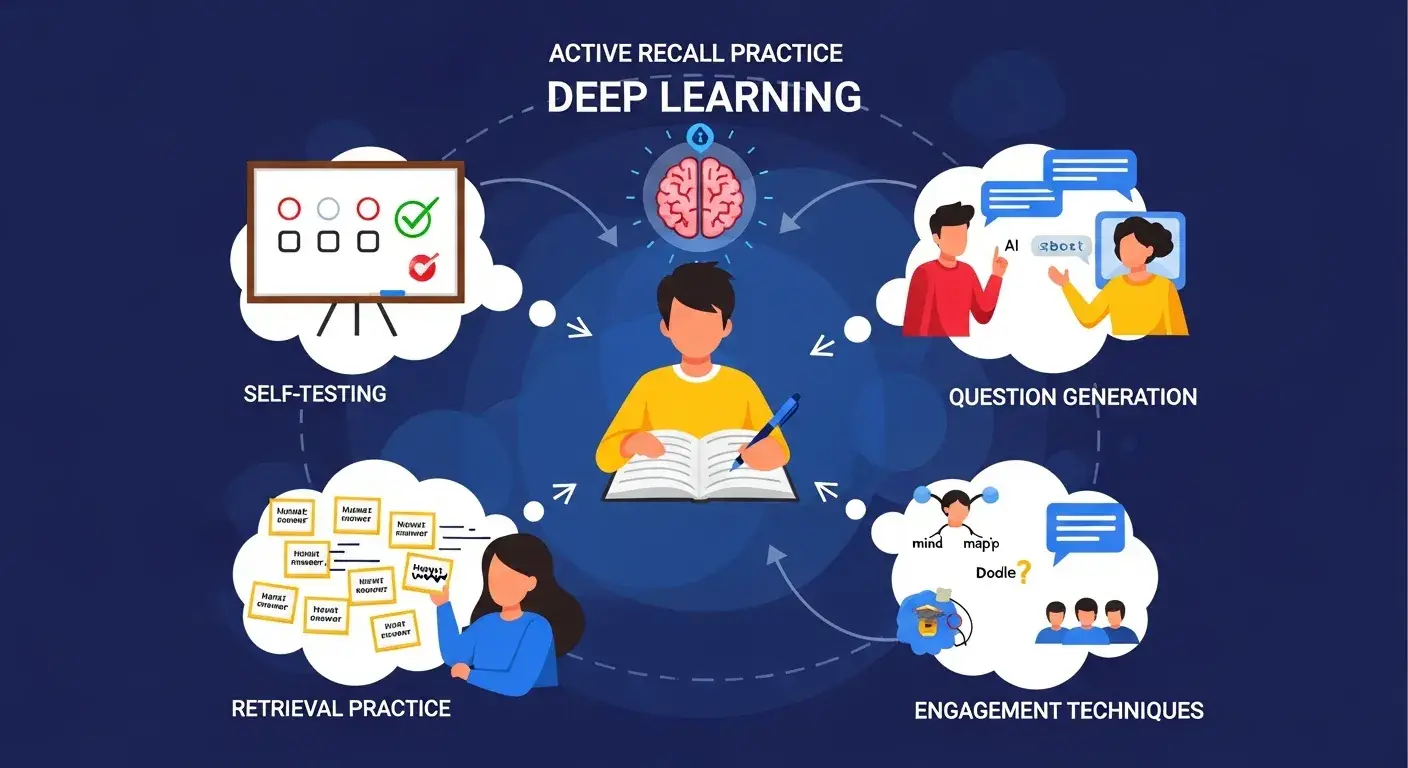
A: To boost retention, incorporate active learning techniques. This includes taking notes in your own words, summarizing concepts, teaching what you've learned to someone else, and applying new knowledge through practice or projects. Spaced repetition, where you revisit material at increasing intervals, is also highly effective.