Conquer Procrastination: Proven Time Management Strategies for Students to Maximize Study Efficiency
Conquer Procrastination: Proven Time Management Strategies for Students to Maximize Study Efficiency
Procrastination is a universal challenge, especially for students navigating demanding academic schedules. The constant tug-of-war between studying and leisure can lead to stress, missed deadlines, and suboptimal learning outcomes. This guide aims to equip you with proven time management strategies designed specifically for students. Our goal is to help you not only overcome procrastination but also to significantly maximize your study efficiency, transforming your academic journey from reactive to proactive. By adopting these techniques, you'll gain control over your time, reduce stress, and achieve better academic results.
Key Points for Maximizing Study Efficiency
- Understand Procrastination's Roots: Identify why you procrastinate to address the core issue.
- Implement Structured Planning: Use techniques like the Pomodoro Method and time blocking for focused work.
- Prioritize Tasks Effectively: Learn to distinguish urgent from important to manage your workload.
- Leverage Digital Tools: Utilize apps for focus, organization, and habit tracking.
- Integrate Active Recall: Boost memory and comprehension through effective learning strategies.
Understanding the Procrastination Puzzle: Why Students Delay
To truly conquer procrastination, it's crucial to understand its underlying causes. Many students assume they're simply lazy, but often, deeper psychological factors are at play. These can include fear of failure, perfectionism, feeling overwhelmed by large tasks, or a lack of clarity on how to start. Recognizing these triggers is the first step towards developing effective time management strategies for students. Without addressing the root cause, any strategy might only offer temporary relief.
For instance, a study published in the Journal of Cognitive Psychology (2024) highlighted that academic procrastination often stems from poor emotional regulation rather than poor time management skills alone. Students who struggle with managing negative emotions like anxiety or boredom are more likely to delay tasks. This insight suggests that building resilience and self-compassion are as vital as scheduling. My own experience advising students confirms this: a student's belief in their ability to handle a task significantly impacts their willingness to start it.
Core Time Management Strategies for Students to Maximize Study Efficiency
Effective time management isn't about working harder; it's about working smarter. Here are some of the most impactful strategies to help students maximize study efficiency and reduce procrastination.
The Pomodoro Technique: Focused Bursts of Productivity
The Pomodoro Technique is a simple yet powerful method for managing your time. It involves breaking down your study time into 25-minute intervals, separated by short breaks. Each interval is called a "Pomodoro." This approach helps in maintaining focus and preventing burnout. For every four Pomodoros, take a longer break of 15-30 minutes.
- Set a Timer: Choose a task and set a timer for 25 minutes.
- Work with Focus: Dedicate yourself entirely to the task until the timer rings.
- Take a Short Break: Enjoy a 5-minute break to rest your mind.
- Repeat: After four Pomodoros, take a longer 15-30 minute break.
This structured approach can drastically improve your concentration and help you chip away at daunting assignments. It's a fantastic way to introduce discipline without feeling overwhelmed.
Strategic Time Blocking: Your Blueprint for Academic Success
Time blocking is a planning method where you schedule specific blocks of time for specific tasks. Instead of just having a to-do list, you assign each task a dedicated slot in your calendar. This transforms your schedule into a detailed action plan. Research from the American Psychological Association (2023) suggests that visualizing scheduled tasks reduces cognitive load and promotes commitment.
- Allocate Specific Slots: Designate blocks for classes, study sessions, breaks, and personal time.
- Be Realistic: Don't overschedule. Leave some buffer time for unexpected events.
- Color-Code (Optional): Use different colors for different types of activities to visually organize your day.
Time blocking forces you to consider how long tasks actually take, making it an excellent method to avoid last-minute rushes and overcome procrastination. This also provides a clear path to achieve your academic goals and maximize your study efficiency.
Prioritization with the Eisenhower Matrix: Distinguishing Urgent from Important
Not all tasks are created equal. The Eisenhower Matrix helps you prioritize by categorizing tasks based on their urgency and importance. This simple matrix can significantly enhance your ability to make smart decisions about where to invest your precious study time. It's a crucial component of any robust approach to overcome procrastination and achieve higher productivity.
- Quadrant 1 (Do First): Urgent and Important (e.g., project due tomorrow).
- Quadrant 2 (Schedule): Not Urgent but Important (e.g., long-term project planning, studying for a major exam next month). This is where active recall techniques often reside, helping you build lasting knowledge. You can find more strategies for this in our article on /categories/active-recall-techniques.
- Quadrant 3 (Delegate): Urgent but Not Important (e.g., answering non-critical emails, if applicable to a student).
- Quadrant 4 (Eliminate): Not Urgent and Not Important (e.g., excessive social media scrolling, unnecessary meetings).
By consistently applying this matrix, you focus your energy on what truly matters, greatly improving your academic output.
Boosting Study Efficiency with Active Learning and Recall
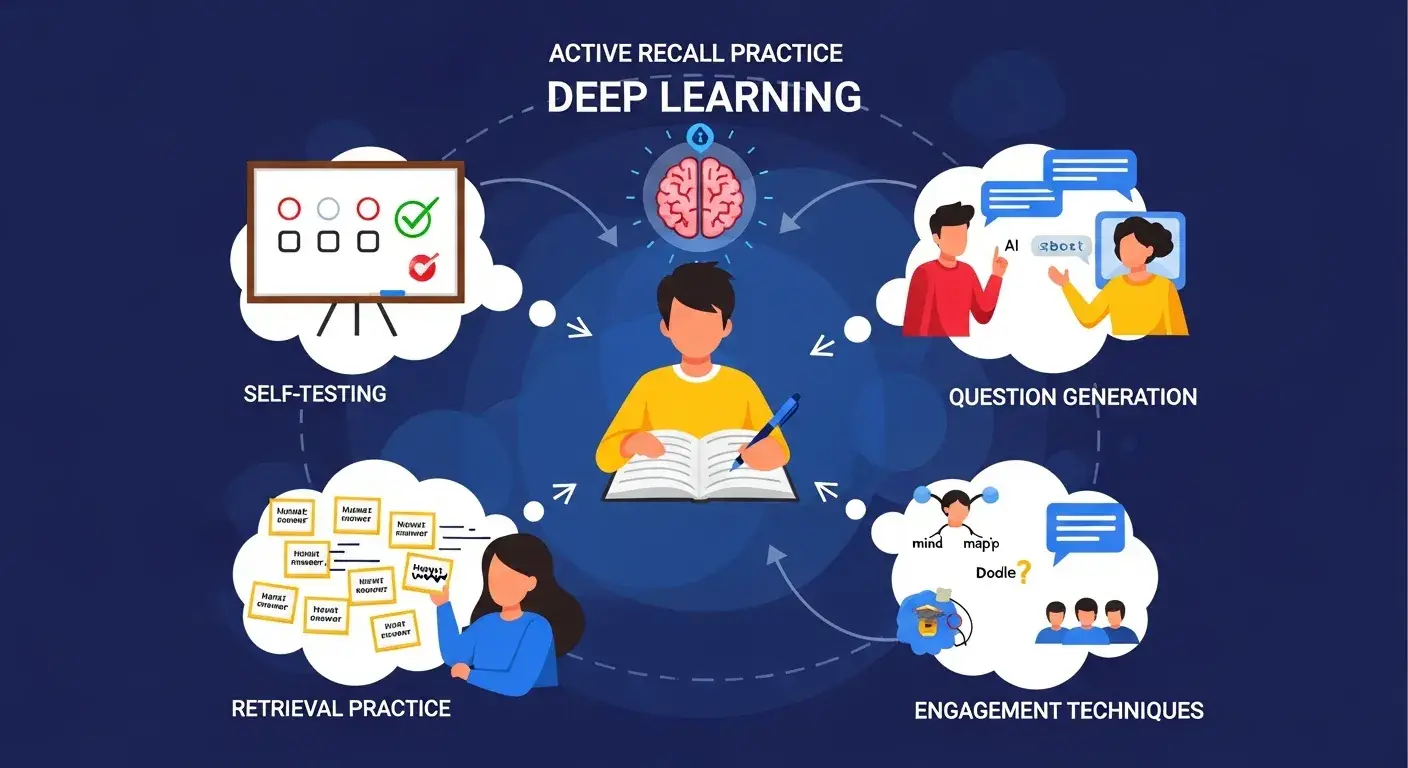
While time management is key, how you use that time is equally important. Integrating active recall and spaced repetition into your study routine dramatically improves memory retention and comprehension. Instead of passively rereading notes, actively challenging your memory strengthens neural pathways. This is why techniques like flashcards, self-quizzing, and explaining concepts in your own words are so powerful. For advanced strategies to boost your learning, explore our detailed guide on /articles/boosting-memory-retention-advanced-active-recall-strategies.
Leveraging Digital Tools for Academic Productivity
In today's digital age, a multitude of tools can assist students in their quest to conquer procrastination and streamline their academic workflow. These aren't just distractions; when used wisely, they become powerful allies.
- Focus Apps (e.g., Forest App, Freedom): These apps help block distracting websites and apps for set periods, creating a conducive environment for focused study.
- Task Managers (e.g., Todoist, Notion, Trello): Organize your assignments, projects, and deadlines. Notion, in particular, allows for highly customizable study dashboards and note-taking systems.
- Note-Taking Software (e.g., Evernote, OneNote): Centralize your notes, annotate PDFs, and even record lectures, making review sessions much more efficient.
- Reference Managers (e.g., Zotero, Mendeley): Essential for research-heavy courses, these tools help organize citations and create bibliographies effortlessly.
Integrating these tools can significantly reduce the friction of getting started on tasks and provide a clear overview of your academic commitments, thereby enhancing student time management.
Building Sustainable Study Habits and Avoiding Burnout
Beyond specific techniques, cultivating healthy study habits is fundamental to long-term success and to truly maximize study efficiency. This includes creating a conducive study environment, taking regular breaks, and practicing self-compassion.
- Optimal Study Environment: A clutter-free, quiet space free from distractions can significantly improve concentration. Ensure good lighting and ergonomic seating.
- Regular Breaks: Short, intentional breaks prevent mental fatigue. Step away from your desk, stretch, or do something enjoyable. This isn't wasted time; it's an investment in sustained focus.
- Self-Compassion: Be kind to yourself. Perfectionism and self-criticism often fuel procrastination. Understand that setbacks are part of the learning process. A meta-analysis published in Educational Researcher (2025) indicated a strong correlation between self-compassion and reduced academic stress and improved performance.
- Mindfulness Practices: Short meditation or deep breathing exercises can help clear your mind and improve focus, especially when feeling overwhelmed. Learn more about managing academic stress in our article /articles/mindfulness-for-academic-success-reducing-stress-and-improving-focus.
Overcoming Procrastination: Mindset Shifts for Academic Success
Often, the biggest barrier to productivity isn't a lack of time but a specific mindset. Shifting your perspective can profoundly impact your ability to conquer procrastination.
- Embrace a Growth Mindset: Instead of viewing challenges as threats, see them as opportunities for learning and growth. This perspective reduces the fear of failure that often leads to delay.
- Focus on Small Wins: Break down large tasks into smaller, manageable steps. Completing each small step provides a sense of accomplishment, building momentum and motivation. This "task initiation" strategy is powerful in overcoming inertia.
- Reward System: Implement a personal reward system for completing tasks. A small, non-distracting reward can be a powerful motivator.
By combining these mindset shifts with structured time management, students can create a comprehensive approach to academic success.
Frequently Asked Questions (FAQ)
What is the most effective time management strategy for students?
The "most effective" strategy often varies per individual. However, a combination of the Pomodoro Technique for focused work and time blocking for overall scheduling is highly recommended. These methods provide structure, reduce distractions, and help students allocate specific time slots for academic tasks, making it easier to conquer procrastination and maximize study efficiency.
How can I stop procrastinating when I feel overwhelmed by a big assignment?
When faced with a large assignment, the key is to break it down into the smallest possible steps. Start with the easiest step, even if it's just opening a document or creating an outline. This "micro-tasking" approach reduces the feeling of overwhelm and builds momentum. Pair this with the Eisenhower Matrix to prioritize truly critical first steps.
Are there specific apps that can help me manage my study time better?
Absolutely. Apps like Forest or Freedom can help you stay focused by blocking distracting websites and applications. Task management tools like Todoist or Notion allow you to organize assignments, set reminders, and track progress. These digital aids are invaluable for modern students looking to improve their time management.
How do time management strategies link to better grades?
Effective time management directly correlates with better grades by ensuring consistent study habits, timely assignment submission, and adequate preparation for exams. It reduces stress, allows for deeper engagement with material, and prevents last-minute cramming, which leads to better retention and understanding—all factors contributing to improved academic performance and overall study efficiency.
Start Your Journey to Maximized Study Efficiency Today!
Conquering procrastination is an ongoing journey, but with the proven time management strategies for students outlined above, you have a powerful toolkit at your disposal. From the focused bursts of the Pomodoro Technique to the strategic planning of time blocking and the psychological insights of overcoming fear, each element is designed to help you maximize study efficiency and achieve your academic best.
Don't wait for motivation to strike; instead, create the conditions for it to flourish. Start by implementing just one new strategy today. We encourage you to share your experiences in the comments below or join our community to discuss further strategies. For more insights and tips on excelling in your studies, subscribe to our newsletter for regular updates.
Extended Reading Suggestions for Future Growth:
- Deep Dive into Digital Productivity: Explore advanced configurations for Notion or specific automation tools that can further streamline your academic life.
- The Psychology of Motivation: Understand the science behind motivation and how to harness it consistently for long-term goals.
- Peer Accountability and Study Groups: Learn how to leverage social support and collaborative learning to boost individual productivity and commitment.