Developing Lifelong Learning Habits: A Practical Guide for Growth
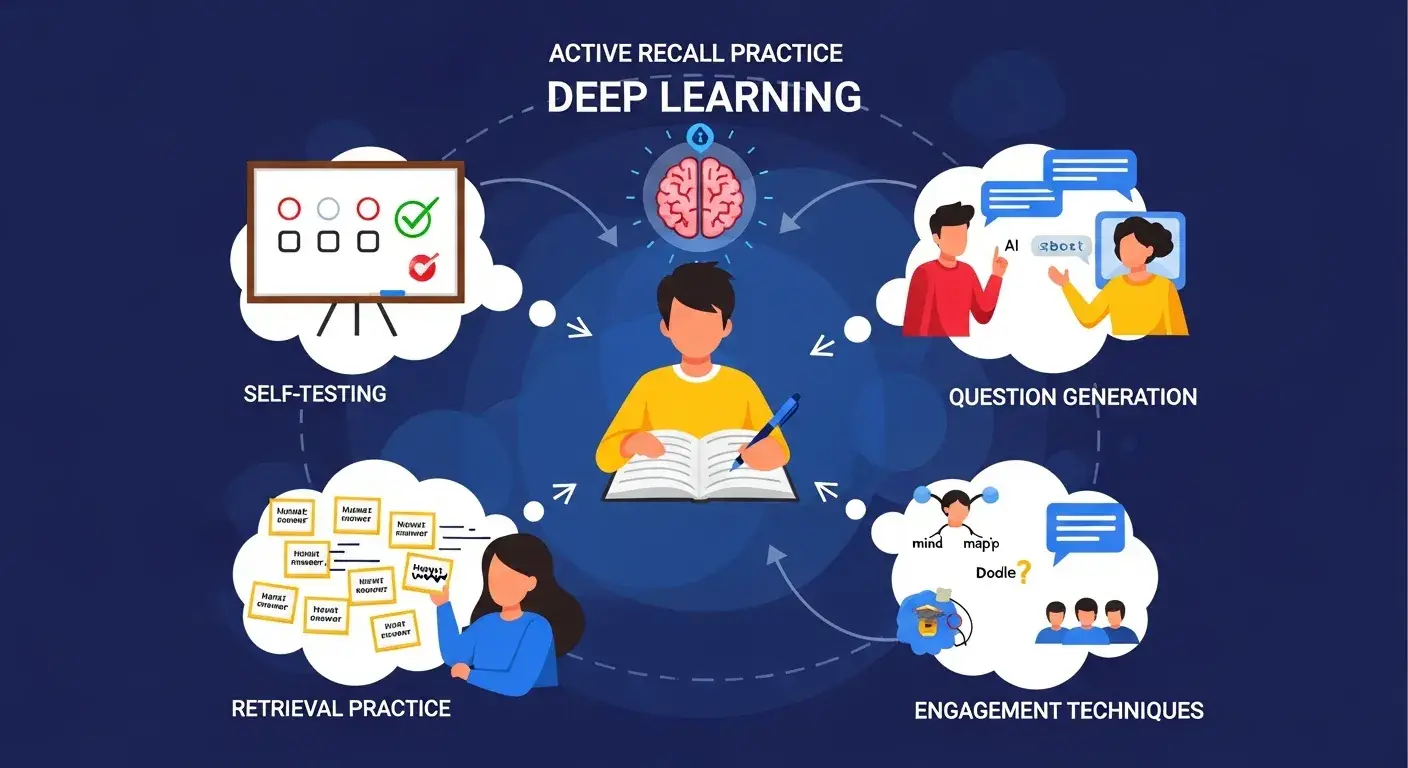
Developing Lifelong Learning Habits: A Practical Guide for Growth
In an era defined by rapid technological advancement and ever-evolving industries, the ability to continuously learn and adapt is no longer a luxury but a fundamental necessity. Developing lifelong learning habits is crucial for navigating change, fostering personal fulfillment, and ensuring professional relevance. This guide provides practical strategies and insights to help you cultivate a robust learning mindset, transforming your approach to knowledge acquisition and skill development. It's about more than just formal education; it's about embracing curiosity and building a system for continuous personal growth.
Key Points for Developing Lifelong Learning Habits:
- Embrace a Growth Mindset: View challenges as opportunities for learning.
- Set Clear Goals: Define what you want to learn and why.
- Integrate Learning Daily: Make learning a part of your routine.
- Practice Metacognition: Reflect on how you learn best.
- Leverage Digital Tools: Utilize online resources and communities.
Understanding the Imperative of Lifelong Learning for Sustainable Growth
The 21st century workplace demands unprecedented adaptability. Automation, artificial intelligence, and global connectivity are reshaping job roles and skill requirements at an astonishing pace. To remain competitive and thrive, individuals must commit to continuous personal growth. This commitment extends beyond formal training, encompassing self-directed learning, skill acquisition, and an insatiable curiosity about the world.
Lifelong learning offers a multitude of benefits, from enhanced problem-solving abilities to increased resilience in the face of career transitions. It fosters innovation, broadens perspectives, and significantly contributes to overall well-being. A study published by LinkedIn Learning in 2024 highlighted that employees who actively engage in continuous learning are 47% more likely to be promoted and 39% more likely to be seen as leaders within their organizations. This data underscores the tangible career advantages of developing lifelong learning habits.
Core Principles for Cultivating a Learning Mindset
At the heart of effective lifelong learning lies a specific mindset. Cultivating this mindset is the first step toward making learning an intrinsic part of your life.
Embrace Curiosity and Questioning
Curiosity is the engine of learning. It drives us to explore, experiment, and seek understanding. Instead of accepting information at face value, challenge yourself to ask "why" and "how." This habit of inquiry not only deepens your understanding but also helps you identify knowledge gaps and areas for further exploration. Nurturing your innate curiosity is a powerful catalyst for sustained learning.
Adopt a Growth Mindset
Pioneered by Dr. Carol Dweck, a growth mindset is the belief that your abilities and intelligence can be developed through dedication and hard work. Individuals with a fixed mindset believe their talents are inherent and unchangeable. Adopting a growth mindset means viewing challenges as opportunities for improvement, rather than insurmountable obstacles. This perspective is fundamental for developing lifelong learning habits, as it encourages persistence and resilience in the face of difficulty. It allows you to embrace the learning process itself, not just the outcome.
Prioritize Self-Reflection and Metacognition
Metacognition, often described as "thinking about thinking," is a critical component of effective learning. It involves actively monitoring and regulating your own learning processes. By reflecting on how you learn, what strategies work best for you, and where you struggle, you can optimize your approach. For instance, after studying a new concept, ask yourself: "Did I truly understand that, or just memorize it?" "What could I do differently next time to grasp it more deeply?" This self-awareness is a hallmark of advanced learners and is a key metacognitive study technique.
Practical Strategies for Developing Lifelong Learning Habits
Translating principles into practice requires concrete strategies. Here's how to embed learning into your daily life.
Set Clear Learning Goals
Just as you set goals for career or fitness, define specific, measurable, achievable, relevant, and time-bound (SMART) learning goals. Instead of a vague "I want to learn more," try "I will complete an online course on Python programming by the end of Q3 2026." Breaking down larger goals into smaller, manageable micro-learning objectives can make the process less daunting and more sustainable. Clearly defined objectives provide direction and motivation.
Integrate Learning into Daily Routines
The most effective way to sustain learning is to make it a natural part of your day. This could involve:
- Reading: Dedicate 15-30 minutes daily to reading books, articles, or industry reports.
- Podcasts/Audiobooks: Listen to educational content during commutes, workouts, or household chores.
- Online Courses: Enroll in MOOCs (Massive Open Online Courses) from platforms like Coursera, edX, or LinkedIn Learning.
- Newsletters: Subscribe to curated newsletters in your areas of interest.
Even small, consistent efforts accumulate over time, making developing lifelong learning habits feel effortless.
Practice Deliberate Learning and Skill Acquisition
Passive consumption of information is rarely enough for deep learning. Engage in deliberate practice, which involves focused effort on specific skills, seeking immediate feedback, and consistent repetition. Instead of just reading about a topic, try to explain it to someone else, apply it in a project, or teach it. This active engagement solidifies understanding.
A differentiated approach to learning involves prioritizing "just-in-time" learning over "just-in-case" learning. Instead of trying to learn everything, focus on acquiring knowledge and skills that are immediately relevant to your current challenges or goals. Furthermore, actively incorporate techniques like active recall (testing yourself on material) and spaced repetition (revisiting material at increasing intervals) to significantly enhance retention, as evidenced by cognitive psychology research (e.g., Dunlosky et al., 2013, Improving Students' Learning With Effective Learning Techniques).
Leverage Digital Tools and Communities
The digital age offers an unparalleled wealth of learning resources. Utilize online platforms for courses, tutorials, and expert insights. Join professional forums, social media groups, or virtual study communities related to your interests. Engaging with others who share your learning goals can provide motivation, diverse perspectives, and opportunities for collaborative learning. For more information on this topic, readers can explore related articles on leveraging technology for education.
Document Your Learning Journey
Keeping a learning journal, maintaining a digital portfolio of projects, or even starting a blog to share what you've learned can be incredibly beneficial. This act of documentation serves multiple purposes: it reinforces learning, allows for reflection on progress, and provides tangible evidence of your skill development. This "learning portfolio" concept is a powerful way to demonstrate E-E-A-T (Expertise, Experience, Authoritativeness, Trustworthiness) to potential employers or collaborators, showcasing not just what you know, but how you've grown.
Overcoming Common Obstacles to Continuous Personal Growth
Even with the best intentions, obstacles can arise. Common challenges include time constraints, procrastination, and fear of failure.
To combat time constraints, employ strategies like time blocking, where you schedule dedicated learning slots in your calendar. For procrastination, try the "two-minute rule" – if a task takes less than two minutes, do it immediately. If it's longer, just start for two minutes. Fear of failure can be mitigated by adopting a growth mindset and reframing mistakes as valuable learning opportunities. Consider finding an accountability partner or joining a study group to stay motivated and on track.
FAQ Section
What is lifelong learning and why is it important?
Lifelong learning is the continuous, voluntary, and self-motivated pursuit of knowledge for personal or professional reasons. It's crucial in today's rapidly changing world because it enables individuals to adapt to new technologies, stay relevant in their careers, foster creativity, and enhance overall well-being. It's about maintaining curiosity and a proactive approach to skill development throughout life.
How can I start developing lifelong learning habits if I'm busy?
Start small and integrate learning into existing routines. Dedicate 15-20 minutes daily to reading, listening to educational podcasts during commutes, or watching short online tutorials. Break down larger learning goals into micro-learning tasks. Prioritize what's most relevant to your immediate needs or interests, making it easier to commit even with a busy schedule.
What are some common challenges in continuous learning and how can I overcome them?
Common challenges include lack of time, procrastination, fear of failure, and feeling overwhelmed by the vast amount of information available. Overcome these by setting realistic, small goals, scheduling specific learning times, practicing self-compassion, and focusing on "just-in-time" learning. Joining a learning community can also provide support and accountability.
How does metacognition relate to lifelong learning?
Metacognition is "thinking about thinking" – being aware of and controlling your own learning processes. In lifelong learning, it means understanding your preferred learning styles, identifying effective study strategies, and monitoring your comprehension. By being metacognitive, you can optimize your learning approach, making it more efficient and effective, which is essential for sustained growth.
Conclusion: Embrace Your Journey of Continuous Learning
Developing lifelong learning habits is an empowering journey that unlocks new opportunities, enhances adaptability, and enriches your