Developing Lifelong Learning Habits for Continuous Growth
Developing Lifelong Learning Habits for Continuous Growth
In today's rapidly evolving world, the ability to continuously learn and adapt is no longer a luxury but a fundamental necessity. Developing lifelong learning habits is crucial for anyone seeking continuous growth, both personally and professionally. This article explores practical strategies and insights to cultivate a mindset of perpetual learning, ensuring you remain relevant, innovative, and resilient in the face of change. By embracing self-directed learning strategies, individuals can unlock new opportunities, deepen their understanding, and foster a fulfilling journey of personal development.
The journey of continuous growth is powered by an unwavering commitment to acquiring new knowledge and skills. It’s about more than just formal education; it’s about integrating learning into the fabric of your daily life. This commitment helps individuals navigate complex challenges and seize emerging opportunities. Embracing this mindset transforms how we interact with information and adapt to new environments.
Key Points for Developing Lifelong Learning Habits:
- Cultivate Curiosity: Foster an insatiable desire to ask questions and explore new subjects.
- Set Clear Goals: Define what you want to learn and why, creating a roadmap for your growth.
- Integrate Learning Daily: Weave small learning activities into your routine to build momentum.
- Embrace Diverse Resources: Utilize books, online courses, podcasts, and real-world experiences.
- Practice Reflection: Regularly review what you've learned and how it applies to your life.
Understanding the Imperative of Continuous Learning
The modern landscape, characterized by technological advancements and shifting economic paradigms, demands a proactive approach to skill development. The shelf-life of skills is shrinking, making continuous learning indispensable. This ongoing evolution necessitates a commitment to staying informed and adaptable.
Why Continuous Growth Matters in Today's World
The digital age has accelerated the pace of change across all industries. What was cutting-edge yesterday might be obsolete tomorrow. This dynamic environment underscores the importance of developing lifelong learning habits for continuous growth. It's about building a personal resilience to change.
- Career Advancement: Staying competitive and opening doors to new roles.
- Personal Enrichment: Expanding horizons, fostering creativity, and improving problem-solving.
- Adaptability: Navigating new technologies and market demands with confidence.
- Innovation: Contributing fresh perspectives and ideas to your field.
According to a 2024 report by the World Economic Forum on the Future of Jobs, 50% of all employees will need reskilling by 2025 due to the adoption of new technologies. This data highlights the urgent need for individuals to prioritize their learning journeys. Proactive learning is now a core professional competency.
Cultivating a Growth Mindset: The Foundation of Lifelong Learning
Before diving into specific habits, it's essential to establish the right mental framework. A growth mindset, a term popularized by Dr. Carol Dweck, is the belief that abilities and intelligence can be developed through dedication and hard work. This contrasts with a fixed mindset, where qualities are seen as unchangeable. Embracing a growth mindset is the bedrock for successful self-directed learning strategies.
Shifting Your Perspective Towards Learning
To truly embrace continuous growth, one must view challenges as opportunities for learning, not as insurmountable obstacles. This shift in perspective is transformative. It allows individuals to approach new subjects with enthusiasm rather than apprehension.
- Embrace Challenges: See difficulties as chances to expand your capabilities.
- Value Effort: Understand that effort is key to mastery, not just innate talent.
- Learn from Criticism: View feedback as a valuable tool for improvement.
- Celebrate Others' Success: Find inspiration in the achievements of others.
This mental shift is critical for anyone committed to developing lifelong learning habits for continuous growth. It empowers individuals to take ownership of their intellectual journey. For more insights into fostering resilience, readers can explore related articles on emotional intelligence and self-management.
Practical Strategies for Developing Lifelong Learning Habits
Building effective learning habits requires intentional effort and consistent application. These strategies are designed to integrate learning seamlessly into your daily life, making it a natural and enjoyable process.
1. Define Your Learning Goals and Interests
Start by identifying what you want to learn and why it matters to you. Clear goals provide direction and motivation. Are you aiming for career advancement, personal enrichment, or a specific skill acquisition? Specific, measurable, achievable, relevant, and time-bound (SMART) goals are highly effective.
- Identify Core Interests: What topics genuinely excite you?
- Assess Skill Gaps: What skills are missing that could benefit your career or life?
- Set SMART Goals: For example, "Complete an online course on Python programming by the end of the quarter."
2. Integrate Micro-Learning into Your Daily Routine
Learning doesn't always require large blocks of time. Micro-learning, or consuming small, digestible chunks of information, can be incredibly effective. This approach makes developing lifelong learning habits more manageable and less intimidating.
- Morning Reads: Dedicate 15-20 minutes each morning to reading an industry article or a chapter from a non-fiction book.
- Podcast Commutes: Listen to educational podcasts or audiobooks during your commute or while exercising.
- Lunchtime Tutorials: Watch a short tutorial video or complete a module of an online course during your lunch break.
- Evening Reviews: Spend a few minutes before bed reflecting on what you learned that day.
3. Leverage Diverse Learning Resources
Don't limit yourself to one type of learning resource. A varied approach keeps learning engaging and provides different perspectives. This multi-faceted strategy is key to fostering continuous growth.
- Online Courses (MOOCs): Platforms like Coursera, edX, and LinkedIn Learning offer structured courses.
- Books and E-books: Deep dives into specific subjects.
- Podcasts and Audiobooks: Convenient for learning on the go.
- Documentaries and Educational Videos: Visual learning can enhance understanding.
- Workshops and Webinars: Interactive learning experiences.
- Mentorship and Peer Learning: Learning from experienced individuals or study groups.
A 2023 study published by the National Bureau of Economic Research highlighted the effectiveness of blended learning approaches, combining self-paced digital content with interactive live sessions, in improving skill acquisition rates. This hybrid model offers significant advantages.
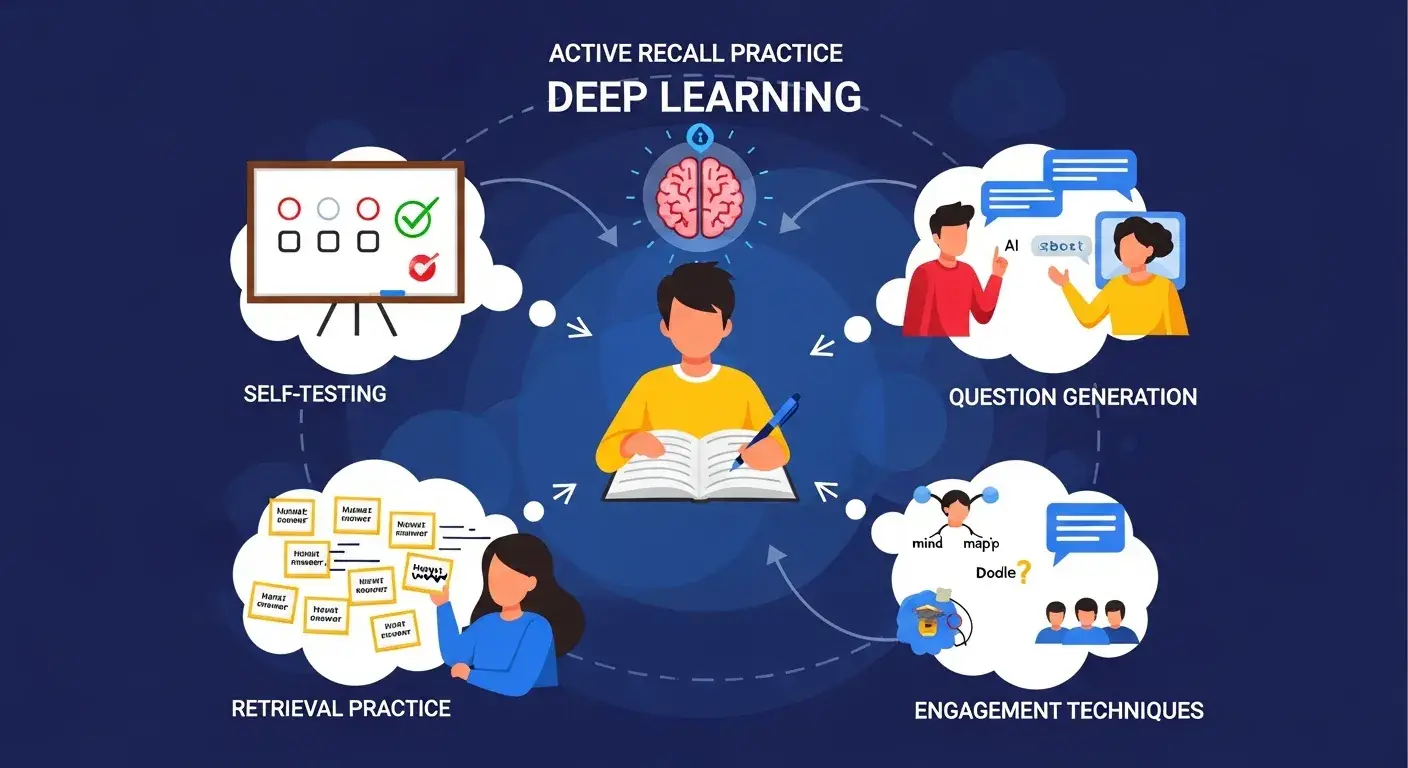
4. Practice Active Learning and Application
Passive consumption of information is less effective than active engagement. To solidify your understanding and truly develop lifelong learning habits, you must actively process and apply what you learn.
- Take Notes: Summarize key points in your own words.
- Teach Others: Explaining a concept to someone else reinforces your understanding.
- Apply Knowledge: Seek opportunities to use new skills in real-world projects or tasks.
- Experiment: Don't be afraid to try new approaches based on what you've learned.
5. Create a Dedicated Learning Environment
Designate a specific space and time for learning. This creates a routine and signals to your brain that it's time to focus. A consistent environment minimizes distractions. Establishing this routine is a powerful enabler for continuous growth.
- Quiet Space: Find a calm area free from interruptions.
- Scheduled Time: Block out specific times in your calendar for learning.
- Minimize Distractions: Turn off notifications and close unnecessary tabs.
Overcoming Challenges in Sustaining Learning Habits
Even with the best intentions, maintaining learning habits can be challenging. Common hurdles include lack of time, motivation, and feeling overwhelmed. Recognizing these obstacles is the first step to overcoming them.
Strategies for Sustaining Your Learning Journey
- Start Small: Don't try to overhaul your entire routine at once. Begin with small, achievable learning goals.
- Track Progress: Seeing how far you've come can be a powerful motivator. Use a journal or an app.
- Find an Accountability Partner: Share your goals with a friend or colleague to stay on track.
- Reward Yourself: Acknowledge your efforts and milestones to reinforce positive behavior.
- Revisit Your "Why": Remind yourself of the benefits of continuous growth and why you started.
Differentiated Insights: AI's Role and Personalized Learning Paths
One unique aspect of modern lifelong learning is the increasing role of Artificial Intelligence (AI) in personalizing education. AI-powered platforms can now adapt content, pace, and difficulty to individual learner needs, making developing lifelong learning habits more efficient and tailored. This represents a significant shift from traditional one-size-fits-all approaches.
Furthermore, the rise of "skill stacking" – combining multiple complementary skills to create a unique professional profile – is a powerful trend. Instead of aiming for deep expertise in a single, narrow field, learners are building broader, more adaptable skill sets. This strategy enhances career resilience and opens up diverse opportunities. For example, combining data analysis with storytelling and digital marketing creates a highly sought-after profile in content strategy. This strategic approach to skill acquisition is a key differentiator in today's job market.
Frequently Asked Questions (FAQ)
What are the main benefits of developing lifelong learning habits?
Developing lifelong learning habits offers numerous benefits, including enhanced career adaptability, increased problem-solving skills, and greater personal fulfillment. It helps individuals stay competitive in a rapidly changing job market, fosters creativity, and broadens perspectives. Continuous learning also builds resilience, allowing you to navigate new challenges with confidence and embrace new opportunities for growth.
How can I start a new learning habit if I have limited time?
Starting a new learning habit with limited time is best achieved through micro-learning. Dedicate 15-30 minutes daily to a specific learning activity, such as reading an article