Evaluate Information Like a Pro: Practical Steps to Enhance Your Critical Thinking and Decision-Making
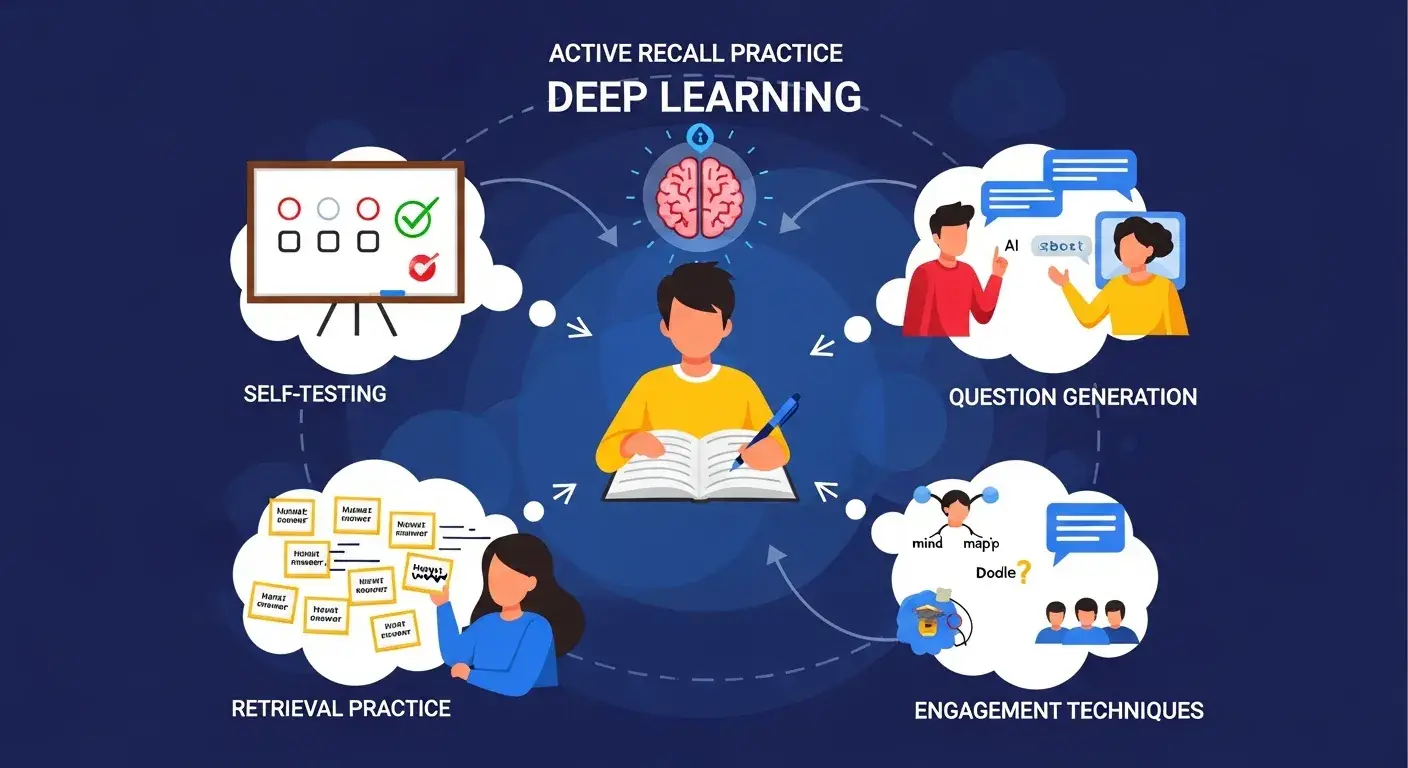
Evaluate Information Like a Pro: Practical Steps to Enhance Your Critical Thinking and Decision-Making
In today's fast-paced digital landscape, the sheer volume of information can be overwhelming. From social media feeds to news articles, distinguishing between credible sources and misinformation is more crucial than ever. Learning to evaluate information like a pro is not just a useful skill; it's a fundamental necessity for navigating the modern world effectively. This guide offers practical steps to sharpen your critical thinking and empower your decision-making, helping you filter out noise and focus on reliable insights. By adopting a structured approach, you can transform how you process data and make informed choices.
Key Points for Information Evaluation
- Source Scrutiny: Always question who created the information and why.
- Content Analysis: Look for evidence, bias, and logical consistency.
- Contextual Understanding: Consider the "when" and "where" of information.
- Bias Recognition: Be aware of cognitive biases in yourself and others.
- Continuous Learning: Develop strategies for ongoing information literacy.
Why Enhancing Critical Thinking Skills is Non-Negotiable
The ability to analyze and evaluate information like a pro directly impacts every aspect of our lives, from personal choices to professional judgments. In an era where misinformation can spread rapidly, strong critical thinking skills act as a vital defense mechanism. They allow us to question assumptions, discern patterns, and form well-reasoned conclusions, rather than simply accepting data at face value. This foundational skill empowers us to make better decisions, fostering both personal growth and collective understanding.
Understanding the Landscape of Information
The digital age has democratized information, but also complicated its verification. We are constantly exposed to diverse perspectives, but also to deliberate falsehoods, propaganda, and clickbait. Developing a keen eye for detail and a skeptical mindset is paramount. Recent findings from UNESCO's 2025 Digital Literacy report indicate a rising global challenge in distinguishing reliable information, underscoring the urgent need for enhanced evaluation competencies. Our goal is to move beyond passive consumption to active, informed engagement.
Practical Steps to Evaluate Information Like a Pro
To truly evaluate information like a pro, a systematic approach is essential. This involves a series of investigative steps that help uncover the truth behind any claim or piece of data.
1. Scrutinize the Source: Who is Behind the Information?
The origin of information is often the first and most telling clue to its credibility. Always start by asking who created the content and what their credentials are. Consider the author's expertise, affiliations, and potential motives. Is it a reputable academic institution, a well-known journalist, a government body, or an anonymous blog? Websites ending in .edu, .gov, or established news organizations often signify greater reliability, though even these require scrutiny.
- Author's Credibility: Look for biographical information, previous publications, and recognized expertise in the field. A lack of transparency should raise a red flag.
- Publication or Platform: Assess the reputation and editorial standards of the publishing platform. Is it known for fact-checking and ethical reporting, or is it a platform known for user-generated content without rigorous oversight?
- Sponsorship and Funding: Understand if the content is sponsored or funded by any organization. This can reveal potential biases or agendas influencing the information presented. For example, a study funded by a specific industry might present findings favorable to that industry.
2. Analyze the Content: What is Being Said and How?
Once you've assessed the source, dive into the content itself. This step focuses on the quality, accuracy, and presentation of the information. A critical eye will help you identify inconsistencies, logical fallacies, and unsubstantiated claims.
- Evidence and Data: Does the content cite specific evidence, statistics, or research? Are these verifiable? Strong arguments are backed by verifiable facts and clear data. A report from the World Economic Forum in 2023 emphasized the importance of data literacy in combating misinformation.
- Bias and Objectivity: Look for language that is overly emotional, partisan, or one-sided. Objective reporting typically presents multiple viewpoints and avoids sensationalism. Recognizing explicit and implicit biases is a cornerstone of professional evaluation.
- Logical Consistency: Are the arguments presented logical and coherent? Do conclusions naturally follow from the premises? Be wary of unsupported assertions or circular reasoning. Learning to identify common logical fallacies, such as ad hominem attacks or straw man arguments, can significantly enhance your analysis.
3. Consider the Context: When and Where Does It Fit?
Information rarely exists in a vacuum. Its meaning and relevance can change dramatically depending on the surrounding circumstances. Understanding the context helps you interpret information accurately.
- Timeliness: When was the information published or last updated? Outdated information might no longer be accurate or relevant, especially in rapidly evolving fields. Always check publication dates.
- Purpose: What is the primary purpose of the content? Is it to inform, persuade, entertain, or sell? An article designed to persuade might present information differently than one intended to purely inform.
- Cultural and Social Factors: Consider how cultural, social, or political contexts might influence the creation and reception of the information. Different audiences might interpret the same data in varied ways.
4. Recognize and Mitigate Cognitive Biases
Our own minds can sometimes be the biggest hurdle to evaluating information objectively. Cognitive biases are systematic errors in thinking that affect the decisions and judgments people make. Becoming aware of these biases is a critical step in learning to evaluate information like a pro.
- Confirmation Bias: The tendency to search for, interpret, favor, and recall information in a way that confirms one's pre-existing beliefs or hypotheses. Actively seek out counter-arguments and diverse perspectives to challenge your own assumptions.
- Availability Heuristic: Overestimating the likelihood of events that are more readily available in memory, often due to recency or vividness. This can lead to skewed perceptions of reality.
- Dunning-Kruger Effect: Individuals with low ability at a task overestimate their own ability, and high ability individuals underestimate their own ability. This means being skeptical of extreme confidence, especially from unqualified sources. Recent research published by the American Psychological Association in 2024 further details the pervasive impact of cognitive biases on judgment.
For deeper insights into organizing complex thoughts and understanding how your biases influence data interpretation, explore the category on [/categories/mind-mapping-and-visual-learning](Mind Mapping and Visual Learning). Visual tools can greatly assist in externalizing thoughts and identifying logical gaps.
Differentiated Strategies for Modern Information Evaluation
The digital age introduces new layers of complexity to information evaluation. As AI-generated content and sophisticated disinformation campaigns become more prevalent, our approach must evolve.
Verifying Deepfakes and AI-Generated Content
With advancements in AI, distinguishing between real and synthetic media is increasingly challenging. Beyond traditional source checking, consider these advanced verification techniques:
- Metadata Analysis: Examine image or video metadata for clues about its origin and creation. While not foolproof, it can sometimes reveal manipulation.
- Digital Forensics Tools: Specialized tools are emerging to detect signs of AI generation, such as inconsistencies in lighting, shadows, or subtle digital artifacts that human eyes might miss. This represents a cutting-edge trend in information literacy.
- Cross-Referencing Visuals: Search for the original image or video online. Has it been used in a different context? Is there a discrepancy in its first appearance compared to the current claim?
Leveraging Diverse Perspectives and Collaborative Fact-Checking
No single individual holds all knowledge. A powerful strategy to evaluate information like a pro involves actively seeking out and considering diverse viewpoints. This is particularly effective in combating echo chambers.
- Community Fact-Checking: Engage with reputable fact-checking organizations and platforms that leverage collective intelligence to verify claims.
- Lateral Reading: Instead of spending all your time on a single suspicious source, open new tabs and research the source itself. What do other reputable sources say about this source? This "read laterally" approach, championed by Stanford University researchers, helps quickly assess credibility.
This proactive and multi-faceted approach goes beyond basic media literacy, empowering you to navigate complex information environments with greater confidence. For more on structuring your thoughts when analyzing complex issues, consider reading our article on [/articles/mind-mapping-for-critical-thinking](Mind Mapping for Critical Thinking).
FAQ Section
Q1: Why is critical thinking important in evaluating information?
Critical thinking is crucial because it allows us to move beyond passive acceptance of information. It equips us with the tools to analyze, question, and synthesize data independently. This skill helps us discern truth from falsehood, identify biases, and ultimately make more informed and rational decisions, which is vital in our information-saturated world.
Q2: How can I identify misinformation quickly on social media?
To quickly spot misinformation on social media, first check the source's credibility (is it a reputable account/news outlet?). Look for sensational headlines, emotional language, and lack of evidence. Always cross-reference claims with reliable news organizations or fact-checking websites before sharing. Consider the date and original context of shared content.
Q3: What are common cognitive biases to watch out for when evaluating information?
Common cognitive biases include confirmation bias (favoring information that confirms existing beliefs), availability heuristic (overestimating the likelihood of easily recalled events), and anchoring bias (relying too heavily on the first piece of information encountered). Recognizing these helps us consciously challenge our assumptions and approach information with greater objectivity.
Q4: How does mind mapping help with information evaluation?
Mind mapping aids information evaluation by visually organizing complex data, highlighting relationships, and identifying gaps or inconsistencies. By mapping out arguments, evidence, and counter-arguments, you can gain a clearer perspective, spot logical fallacies, and ensure a comprehensive analysis of all relevant factors. It makes your thought process explicit and helps to connect different pieces of information.
Conclusion: Becoming a Master of Information Evaluation
To truly evaluate information like a pro requires a commitment to continuous learning and the consistent application of practical strategies. By scrutinizing sources, analyzing content with a critical eye, understanding context, and actively mitigating your own cognitive biases, you elevate your ability to make sound decisions. This journey towards enhanced critical thinking is not just about avoiding misinformation; it's about building a more informed, resilient, and insightful you.
Start applying these steps today. Challenge your assumptions, seek diverse perspectives, and become an active participant in shaping your understanding of the world. Your ability to discern truth will empower you in countless ways.
Ready to sharpen your analytical skills? Share your most challenging information evaluation experience in the comments below! We'd love to hear how these steps help you.
Further Reading Suggestions:
- Explore more techniques for structured thinking in our [/categories/mind-mapping-and-visual-learning](Mind Mapping and Visual Learning) category.
- Dive deeper into overcoming mental traps with our article on [/articles/overcoming-cognitive-biases-in-decision-making](Overcoming Cognitive Biases in Decision Making).
- Discover how to visualize complex information for better understanding by reading [/articles/visualizing-complex-information-for-better-understanding](Visualizing Complex Information for Better Understanding).
Content Timeliness: This article reflects current best practices in information literacy and critical thinking as of its publication date (November 2025). The principles discussed are enduring, but the digital landscape evolves. We recommend reviewing your information evaluation strategies periodically to adapt to new technologies and forms of information dissemination. Future updates might include advanced AI detection methods or evolving media literacy frameworks.
Expandable Subtopics for Future Updates:
- Ethical Considerations in Information Sharing
- The Role of AI in Information Curation and Dissemination
- Advanced Tools for Digital Source Verification