Integrating Learning into Daily Life: Practical Steps for Sustainable Personal and Professional Growth
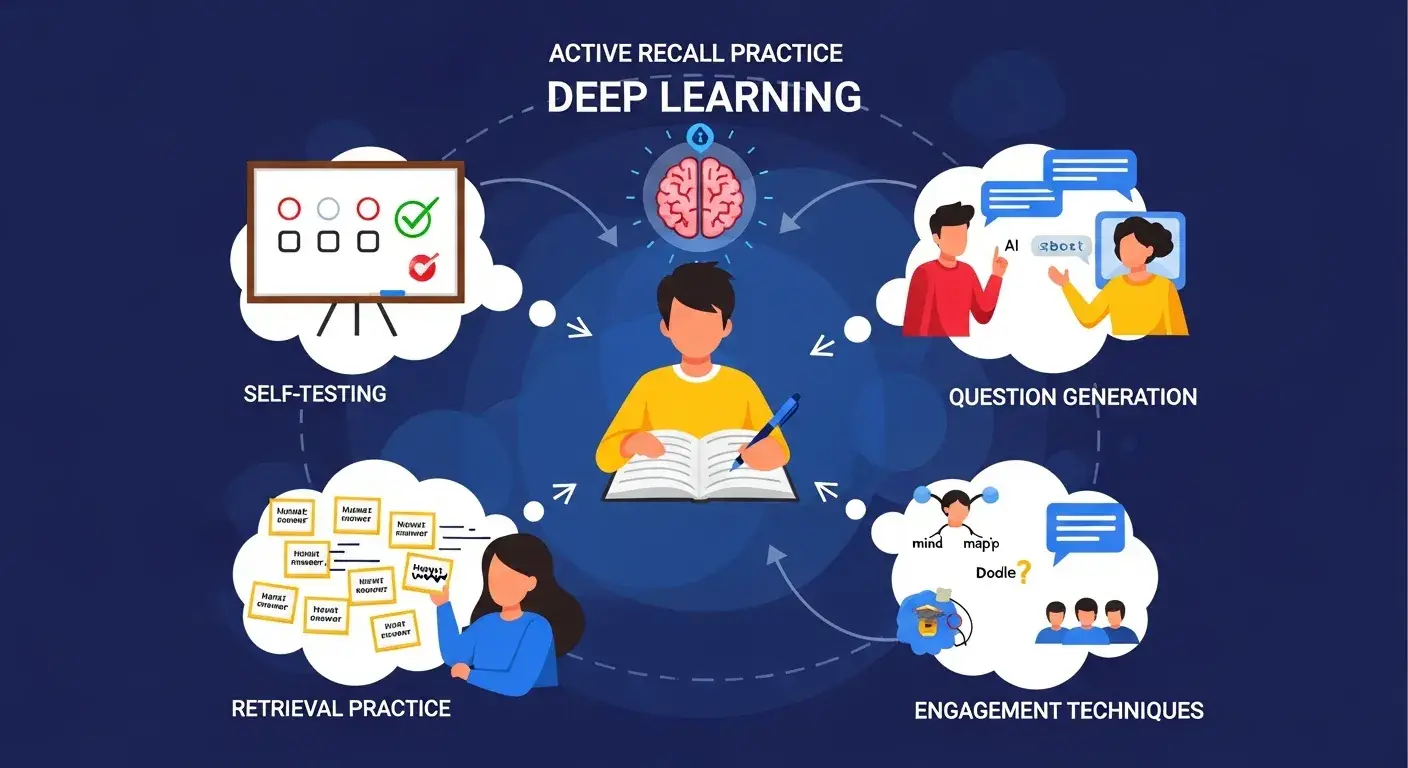
Integrating Learning into Daily Life: Practical Steps for Sustainable Personal and Professional Growth
In today's rapidly evolving world, the ability to continuously learn and adapt is no longer a luxury but a necessity. Integrating learning into daily life is the cornerstone for achieving sustainable personal and professional growth. This isn't about committing to endless courses, but rather about weaving small, consistent learning opportunities into the fabric of your everyday routine. By cultivating a mindset of curiosity and adopting practical strategies, you can unlock new potentials, stay relevant, and drive innovation in your chosen field. Embracing lifelong learning transforms challenges into opportunities, making your journey of growth both effective and enjoyable.
Key Points for Sustainable Learning Integration
- Microlearning Habits: Incorporate short, focused learning bursts.
- Technology Leverage: Utilize digital tools for personalized content.
- Strategic Goal Setting: Align learning with clear personal and career objectives.
- Mindset Shift: Embrace curiosity and view learning as an ongoing journey.
- Environment Optimization: Design your surroundings to support continuous learning.
The Imperative of Continuous Learning for Sustainable Growth
The pace of change in industries, technology, and global markets demands that individuals constantly update their skill sets. Stagnation is no longer an option; continuous learning is key to not just surviving but thriving. For many, the idea of integrating learning into daily life seems daunting amidst already packed schedules. However, viewing learning as an inherent part of your daily routine, rather than an added chore, shifts your perspective. It empowers you to proactively shape your future, ensuring robust personal development and significant professional advancement.
Practical Strategies for Integrating Learning into Daily Life
Making learning a seamless part of your day involves intentional planning and consistent effort. These strategies focus on turning abstract learning goals into actionable habits.
Embracing Microlearning and Habit Stacking
Microlearning involves consuming information in small, digestible chunks, perfectly suited for busy schedules. This approach recognizes that consistent, short engagements are often more effective than infrequent, long study sessions.
- Allocate "Pocket Time": Identify small pockets of free time – your commute, waiting in line, or during a coffee break. Use these moments to read an article, listen to a podcast, or watch a short instructional video. Even 5-10 minutes can add up significantly over time.
- Habit Stacking with Existing Routines: Pair a new learning activity with an existing habit. For instance, if you always drink coffee in the morning, make it a habit to read industry news or a chapter of a relevant book during that time. This technique, popularized by author James Clear in "Atomic Habits" (2018), significantly increases adherence.
- Focused Learning Sprints: Dedicate short, intense bursts of 15-30 minutes specifically to a learning task without distractions. Use a timer to maintain focus, then take a short break. These "sprints" can be incredibly productive for tackling more complex topics.
Leveraging Technology for Personalized Learning Journeys
Technology has revolutionized how we access and process information, making integrating learning into daily life more accessible than ever. Harnessing these tools can personalize your growth path.
- AI-Powered Content Curation: Modern AI tools are transforming how we learn. Platforms like Coursera and LinkedIn Learning now use AI algorithms to suggest courses, articles, and skills relevant to your career path and expressed interests. This personalized approach saves time and ensures the content you consume directly supports your objectives. For example, a recent study by the World Economic Forum (2024) highlighted AI's increasing role in tailoring educational experiences, leading to higher engagement and retention rates.
- Interactive Learning Apps: Utilize language learning apps, coding tutorials, or professional development platforms that offer gamified experiences. These apps break down complex subjects into engaging, interactive modules, making learning feel less like work and more like play.
- Digital Notetaking and Organization: Tools like Notion, Evernote, or OneNote allow you to capture insights from articles, podcasts, or online courses, and organize them into a searchable personal knowledge base. This not only aids retention but also creates a valuable resource for future reference. For more tips on organizing your learning, consider exploring strategies for [/articles/mastering-microlearning-strategies-for-busy-professionals](Mastering Microlearning Strategies).
Optimizing Your Learning Environment
Your physical and digital surroundings play a crucial role in your ability to focus and absorb new information. A well-optimized environment minimizes distractions and fosters concentration.
- Design a Dedicated Space: Even if it's just a corner of a room, designate a specific area for your learning activities. Ensure it's tidy, well-lit, and free from common household distractions.
- Digital Decluttering: Minimize notifications on your devices during dedicated learning times. Close unnecessary tabs and use website blockers if prone to distraction. A clear digital space promotes a clear mind. For deeper insights, learn more about [/categories/learning-environment-optimization](optimizing your learning environment).
Beyond Skills: The Holistic Benefits of Continuous Growth
Integrating learning into daily life extends beyond acquiring new skills; it profoundly impacts your overall well-being and resilience. Continuous growth fosters a positive feedback loop that enhances various aspects of your life.
- Boosting Mental Agility and Well-being: Engaging your brain with new information helps maintain cognitive function and can even reduce the risk of cognitive decline. The sense of accomplishment derived from learning new things acts as a powerful motivator, boosting self-esteem and overall mental well-being. This proactive engagement helps prevent burnout by offering mental stimulation and a sense of progress outside of routine tasks. My personal observation suggests that individuals who actively pursue new knowledge often report higher job satisfaction and lower stress levels due to increased adaptability.
- Enhanced Problem-Solving and Creativity: Exposure to diverse subjects and new perspectives strengthens your ability to think critically and approach problems from multiple angles. This cross-pollination of ideas fuels creativity, enabling you to innovate and develop unique solutions in both your personal and professional spheres.
- Increased Adaptability and Resilience: The world is constantly changing. By consistently learning, you equip yourself with the tools to adapt quickly to new challenges, technologies, and market demands. This adaptability builds resilience, making you better prepared for unexpected shifts and allowing you to recover faster from setbacks.
Setting and Tracking Effective Learning Goals
To ensure your learning efforts are productive and aligned with your broader aspirations, it's crucial to set clear, actionable goals.
- SMART Goals for Learning: Apply the SMART framework (Specific, Measurable, Achievable, Relevant, Time-bound) to your learning objectives. Instead of "I want to learn more about AI," try "I will complete an introductory AI course on deep learning concepts by December 31st, 2025." This clarity helps in tracking progress and staying motivated. To refine your approach, explore [/articles/setting-effective-learning-goals-for-continuous-improvement](setting effective learning goals).
- Track Your Progress: Use a journal, a digital tracker, or even a simple spreadsheet to record what you've learned, the resources you've used, and the time you've invested. Seeing your progress visually can be incredibly motivating and helps in identifying areas for improvement.
- Regular Review and Adjustment: Periodically review your learning goals and adjust them as needed. Life circumstances change, and your interests may evolve. Being flexible ensures your learning journey remains relevant and engaging.
Overcoming Common Learning Challenges
Even with the best intentions, roadblocks can emerge. Common challenges include lack of time, motivation, or feeling overwhelmed.
- Combatting Overwhelm: Break down large learning objectives into smaller, manageable sub-tasks. Focus on mastering one concept or skill before moving to the next. Remember, consistency beats intensity.
- Maintaining Motivation: Connect your learning directly to your personal values or career aspirations. Remind yourself why you started. Joining a learning community or finding an accountability partner can also provide significant boosts in motivation and help in [/articles/overcoming-learning-plateaus-strategies-for-sustained-progress](overcoming learning plateaus).
- Dealing with Distractions: Be intentional about setting aside distraction-free learning periods. Communicate your learning schedule to family or colleagues to minimize interruptions.
Frequently Asked Questions (FAQ)
How can I find time for learning with an already busy schedule?
Finding time for learning often involves re-evaluating how you use existing pockets of free time. Start by identifying "micro-moments" like your daily commute, waiting times, or short breaks. Dedicate 5-15 minutes in these slots to a specific learning activity, such as listening to an educational podcast or reading an industry article. Additionally, consider habit stacking by pairing learning with an existing routine, like reviewing notes while having breakfast.
What are the best resources for continuous learning in 2025?
In 2025, the best resources for continuous learning are diverse and often technologically enhanced. Online platforms like Coursera, edX, and Udemy offer structured courses, many powered by AI for personalized recommendations. Podcasts, audiobooks, and specialized newsletters provide bite-sized, accessible content. Interactive learning apps for skills like coding or language acquisition are highly effective. Don't overlook industry reports from sources like McKinsey or Gartner, which offer current trends and data.
How do I stay motivated when learning something new and challenging?
Staying motivated through challenging learning curves requires a blend of strategies. Firstly, ensure your learning goals are tied to personal passion or clear career aspirations to maintain intrinsic drive. Break down complex subjects into smaller, achievable milestones to celebrate progress regularly. Utilize an accountability buddy or a learning community for support and shared enthusiasm. Regularly remind yourself of the long-term benefits of integrating learning into daily life for your growth.
Can integrating learning truly impact my career growth significantly?
Absolutely. Integrating learning into daily life is a direct pathway to significant career growth. It ensures your skills remain relevant, helps you adapt to new industry trends, and identifies opportunities for innovation. Continuous learning leads to upskilling and reskilling, making you a more valuable asset to employers and enhancing your marketability. It demonstrates initiative, a growth mindset, and a commitment to excellence, all qualities highly sought after in today's dynamic professional landscape.
Conclusion: Embrace Your Learning Journey
Integrating learning into daily life is a transformative journey that promises sustainable personal and professional growth. By adopting microlearning, leveraging advanced technology, and cultivating a growth mindset, you can effortlessly weave continuous education into your everyday existence. This proactive approach not only builds essential skills but also enhances your well-being, creativity, and resilience in a constantly evolving world.
Take the Next Step: Start today by identifying one small learning habit you can incorporate. Subscribe to an industry newsletter, download an educational podcast, or simply dedicate 15 minutes to learning something new. Share your progress in the comments below, and let's inspire each other to embrace the power of continuous learning!
Further Reading Suggestions:
- Strategies for Deep Work: Explore techniques to maximize focus and productivity in your learning sessions.
- Building a Personal Knowledge Management System: Learn how to effectively organize and retrieve information for lifelong retention.
- The Future of AI in Education: Understand upcoming trends and tools that will further revolutionize personal learning.