Master Complex Subjects Rapidly: Advanced Accelerated Learning Techniques for Deeper Understanding
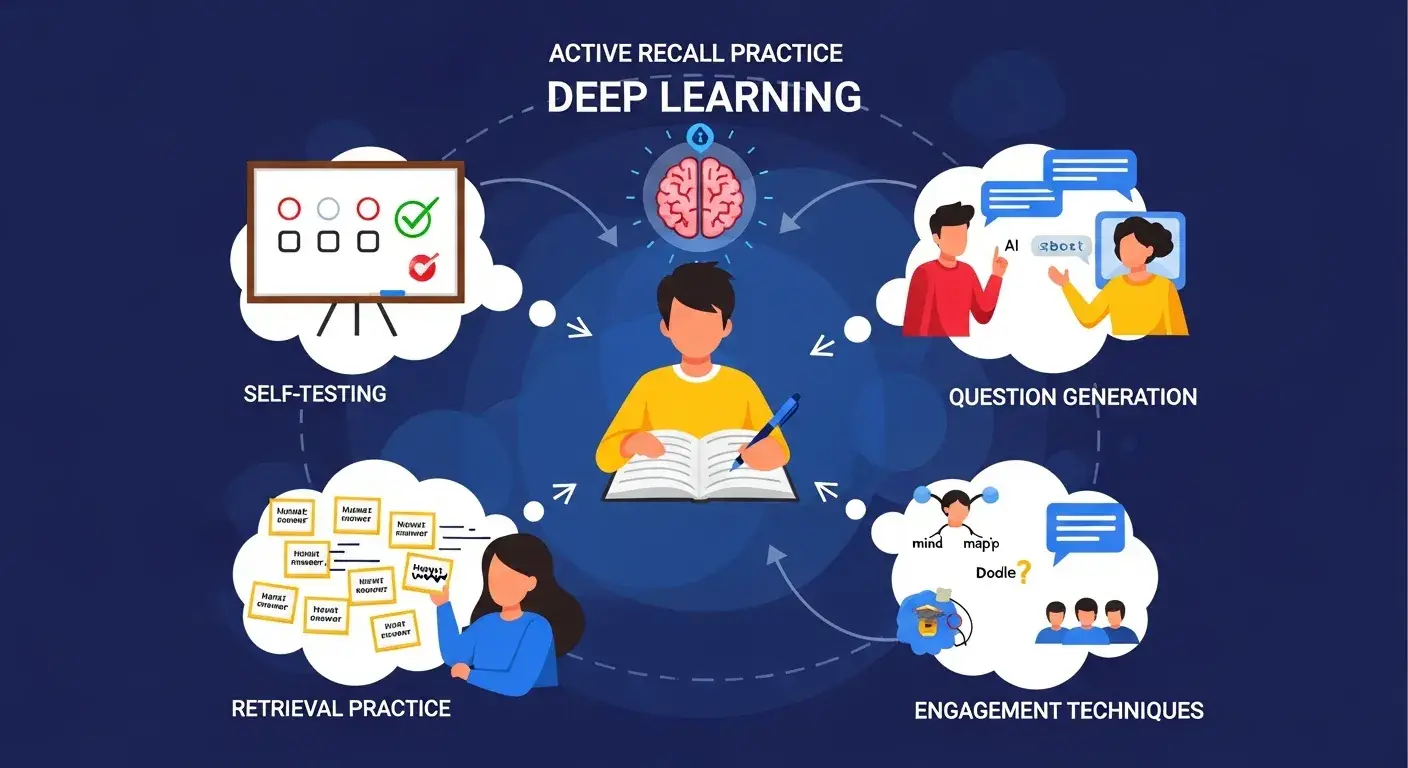
Embarking on a journey to master complex subjects rapidly requires more than just traditional study methods; it demands a strategic, informed approach. In today's fast-paced world, the ability to quickly grasp intricate information and achieve deeper understanding is an invaluable skill, whether for career advancement, personal growth, or academic success. This article delves into advanced accelerated learning techniques, moving beyond rote memorization to explore cognitive strategies, neuroscience-backed methods, and powerful collaborative approaches that truly transform how you acquire and retain knowledge. Prepare to unlock your full learning potential and navigate any complex domain with confidence.
Key Points for Accelerated Learning:
- Metacognition is Key: Understand how you learn to optimize your process.
- Leverage Active Recall: Regularly test yourself to solidify memory.
- Chunk and Interleave: Structure information for better retention and connections.
- Embrace Collaborative Learning: Peer interaction deepens understanding and perspective.
- Cultivate a Growth Mindset: View challenges as opportunities for intellectual growth.
Introduction to Advanced Accelerated Learning Techniques
Learning isn't just about consuming information; it's about actively processing, connecting, and applying it. Many traditional methods often fall short when confronting truly complex subjects, leading to surface-level understanding and rapid forgetting. Advanced accelerated learning techniques offer a paradigm shift, focusing on strategies that align with how our brains naturally acquire and store information. By adopting these methods, you can significantly reduce the time spent struggling and increase your grasp of even the most challenging topics, fostering genuine deeper understanding.
Why Traditional Learning Falls Short
The conventional approach, often characterized by passive reading and repetitive re-reading, creates an illusion of competence. While it might feel like you're learning, this method rarely engages the brain in the deep processing necessary for long-term retention and flexible application. It's a method ill-suited to help you master complex subjects rapidly.
The Core Principles of Accelerated Learning
At its heart, accelerated learning is about efficiency and effectiveness. It leverages principles from cognitive psychology and neuroscience to bypass common learning pitfalls. Key tenets include active engagement, spaced repetition, feedback loops, and creating meaningful connections between new and existing knowledge. These principles form the bedrock for achieving deeper understanding across various domains.
Advanced Techniques for Mastering Complex Subjects
To truly master complex subjects rapidly, it's essential to move beyond basic memorization. The following techniques are designed to optimize cognitive processes, ensuring information is not just learned, but deeply understood and readily retrievable.
Metacognition: Learning How to Learn
Metacognition, often described as "thinking about thinking," is a cornerstone of effective learning. It involves monitoring your comprehension, evaluating your learning strategies, and making adjustments as needed. For example, before diving into a new topic, consider what you already know and how you plan to approach new information. Reflecting on your learning process allows you to identify strengths and weaknesses, leading to more targeted and efficient study. This awareness is crucial for anyone aiming for deeper understanding. You can explore unlocking your brain's potential through metacognition for further insights.
Strategic Information Chunking and Interleaving
When faced with a vast amount of information, our brains can become overwhelmed. Chunking involves breaking down large, complex ideas into smaller, manageable units. For instance, instead of memorizing an entire chapter, focus on understanding key concepts section by section. Interleaving, on the other hand, means mixing different types of problems or topics within a single study session. This prevents over-specialization and encourages the brain to differentiate between concepts, strengthening problem-solving skills and retention. According to a 2024 review in the Journal of Educational Psychology, interleaving significantly outperforms blocked practice for complex skill acquisition.
The Power of Active Recall and Spaced Repetition
Perhaps two of the most potent advanced accelerated learning techniques are active recall and spaced repetition. Active recall involves deliberately pulling information from your memory, such as through flashcards, self-quizzing, or explaining concepts aloud, rather than passively re-reading. This effort strengthens neural pathways. Spaced repetition involves reviewing material at increasing intervals over time. Combining these methods ensures that knowledge is continually reinforced at optimal moments, preventing the natural decay of memory. You can learn more about the power of active recall and spaced repetition in a dedicated article.
Leveraging the Feynman Technique for Deeper Understanding
The Feynman Technique, named after Nobel laureate physicist Richard Feynman, is an incredibly effective method for ensuring deeper understanding. It involves:
- 1. Choose a concept: Select the subject you want to understand.
- 2. Teach it to a child: Explain the concept in simple terms, as if to someone with no prior knowledge.
- 3. Identify gaps: When you struggle to explain, that's where your understanding is weak.
- 4. Review and simplify: Go back to the source material, re-learn the difficult parts, and then try explaining again. This iterative process forces clarity and reveals true comprehension, helping you master complex subjects rapidly.
Harnessing the Neuroscience of Learning
Modern neuroscience provides incredible insights into how the brain learns. Techniques like optimizing sleep for memory consolidation, regular physical exercise to boost brain-derived neurotrophic factor (BDNF), and managing stress all play critical roles. For instance, research published in Nature Reviews Neuroscience in 2023 highlighted how sufficient REM sleep is crucial for integrating new information into existing knowledge networks, enhancing deeper understanding. Understanding these biological underpinnings allows for a holistic approach to rapid learning strategies.
Integrating Collaborative Learning Approaches for Enhanced Retention
While individual study is important, integrating Collaborative Learning Approaches can significantly amplify your ability to master complex subjects rapidly. Learning is often social, and engaging with others adds powerful dimensions to understanding and retention.
Peer Teaching and Group Discussions
Explaining concepts to peers forces you to articulate your understanding, identify gaps, and consider different perspectives. Group discussions can expose you to alternative interpretations and problem-solving strategies, enriching your own conceptual framework. A study presented at the 'Global Learning Summit 2023' indicated that peer teaching improved retention rates by an average of 15-20% compared to solo study for challenging topics.
Mentorship and Expert Feedback
Seeking guidance from mentors or experts in a field provides invaluable feedback and direction. They can pinpoint areas for improvement, suggest resources, and offer insights gained from years of experience. This direct, personalized input accelerates your learning curve by preventing common pitfalls and guiding you toward more efficient pathways to deeper understanding.
Overcoming Learning Plateaus and Sustaining Progress
Even with the best techniques, learning complex subjects can present challenges. Recognizing and overcoming plateaus is part of sustaining your progress.
Cultivating a Growth Mindset
A growth mindset, a concept popularized by Dr. Carol Dweck, is essential. Instead of viewing intellectual struggles as limitations, see them as opportunities for growth. Believing that your abilities can be developed through dedication and hard work empowers you to persist through difficulties and tackle even the most formidable subjects. This mindset is a powerful cognitive hack for learning.
The Role of Deliberate Practice
Deliberate practice involves focusing on specific areas for improvement, pushing past your comfort zone, and engaging in focused, high-effort activities with immediate feedback. It's not just practice; it's intentional practice designed to enhance performance. For instance, rather than simply coding, a programmer might deliberately practice debugging complex algorithms, pushing their skill acquisition boundary.
Future-Proofing Your Learning Journey
The pursuit of knowledge is continuous. By adopting these advanced accelerated learning techniques, you're not just learning a subject; you're cultivating a lifelong skill. The principles discussed here are universally applicable, equipping you to adapt to new information and evolving demands in any field. The ability to master complex subjects rapidly ensures you remain agile and competitive in a constantly changing world.
Frequently Asked Questions About Accelerated Learning
How quickly can I expect to see results from these techniques?
The speed of results varies by individual and the complexity of the subject. However, most individuals report noticeable improvements in comprehension and retention within a few weeks of consistent application of methods like active recall and spaced repetition. The key is consistent, deliberate practice rather than expecting instant miracles.
Are these methods only for academic subjects, or can they apply to skills?
These advanced accelerated learning techniques are highly versatile. While effective for academic subjects, they are equally powerful for acquiring practical skills like coding, playing a musical instrument, or learning a new language. The underlying cognitive principles apply broadly to any domain where deeper understanding and skill acquisition are desired.
What's the biggest mistake people make when trying to learn rapidly?
The biggest mistake is often equating passive consumption with active learning. Many learners spend too much time re-reading notes or watching lectures without engaging in active recall, self-explanation, or problem-solving. True rapid learning requires active engagement and consistent testing of your understanding, not just exposure to information.
Unlock Your Learning Potential Today
The journey to master complex subjects rapidly and achieve deeper understanding is within your reach. By integrating these advanced techniques—from metacognition and strategic chunking to the power of collaborative learning approaches—you can revolutionize your learning process. We encourage you to start implementing these strategies today, share your experiences in the comments below, and subscribe for more insights into optimizing your cognitive potential.
Extended Reading Suggestions:
- The Science of Learning: Unpacking Cognitive Biases
- Enhancing Memory Retention: Beyond Flashcards
- Developing Critical Thinking Skills in Complex Fields