Strategies to Break Through Learning Plateaus: Maintain Motivation and Accelerate Your Skill Development
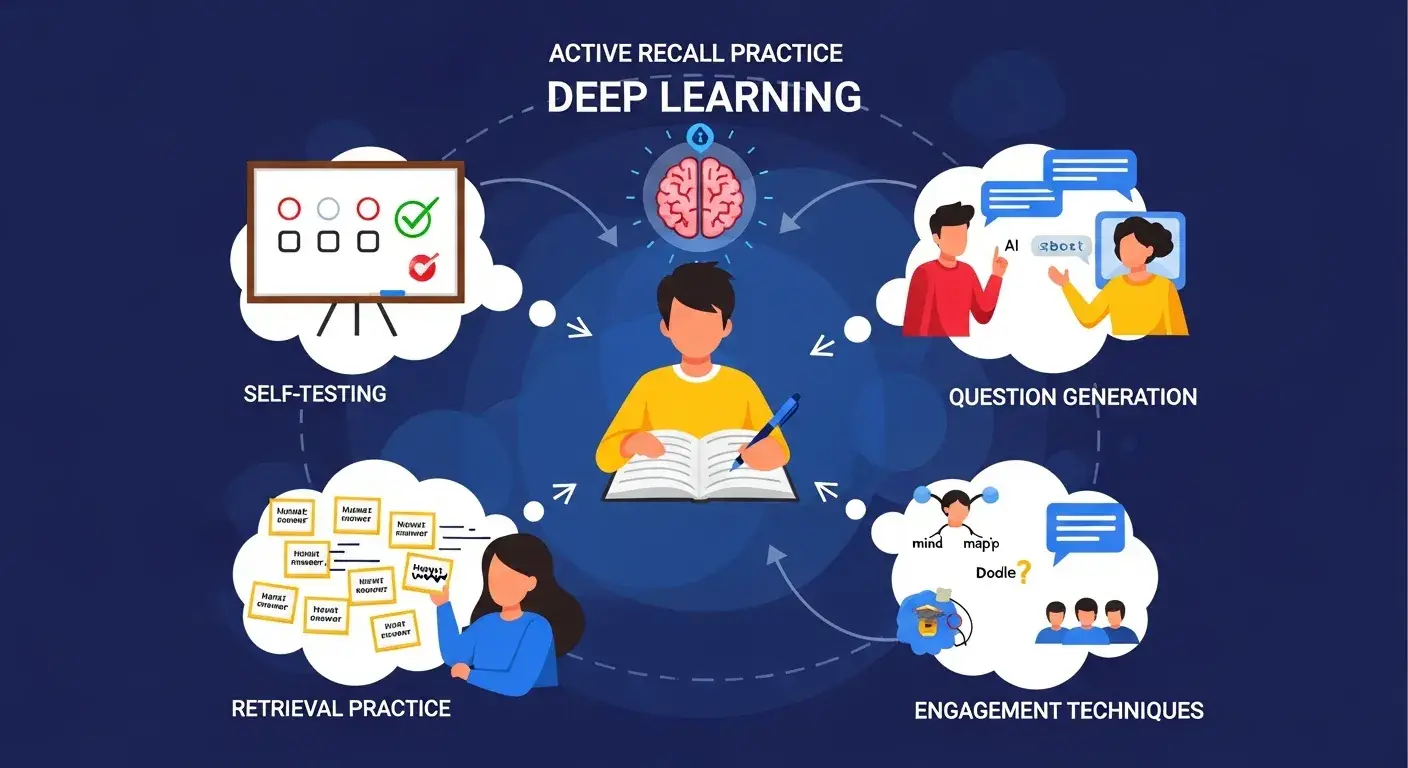
The journey of skill acquisition is rarely a straight line; it often includes periods of rapid growth followed by frustrating stagnation. These moments, known as learning plateaus, can be disheartening, testing your motivation and making you question your progress. However, experiencing a plateau isn't a sign of failure but a natural part of deep learning, signaling that your brain is integrating new information and consolidating existing skills. This article explores effective strategies to break through learning plateaus, offering practical advice to reignite your motivation and significantly accelerate your skill development. By understanding the underlying causes and applying targeted techniques, you can transform these periods of stagnation into opportunities for profound advancement.
Key Points for Breaking Through Learning Plateaus
- Identify the Cause: Understand why your progress has stalled.
- Diversify Methods: Introduce new learning techniques or environments.
- Embrace Deliberate Practice: Focus on specific, challenging aspects.
- Cultivate a Growth Mindset: See challenges as opportunities for growth.
- Prioritize Rest & Reflection: Allow time for consolidation and self-assessment.
Understanding Learning Plateaus and Their Impact
Learning plateaus are a universal experience, from mastering a musical instrument to acquiring a new language or professional skill. They represent a phase where perceived improvement slows down or stops, despite continued effort. While frustrating, recognizing this as a normal physiological and psychological process is the first step toward overcoming it. Our brains need time to solidify new neural pathways and automatize tasks.
Identifying Common Signs of a Plateau
Recognizing the signs of a plateau early can help you address it proactively. Common indicators include a feeling of stagnation, where practice no longer yields noticeable improvements, or an increase in frustration and a decrease in enjoyment. You might find yourself repeating the same mistakes, feeling uninspired, or even considering giving up. These signs are crucial signals that it's time to adjust your approach.
The Psychology Behind Skill Stagnation
Skill stagnation often stems from several psychological factors. One key reason is that we tend to fall into routine practice, repeating what we already do well rather than challenging our weaknesses. This is comfortable but doesn't push us to grow. Another factor is the brain's natural process of "chunking" information; once a set of skills becomes automatic, the brain becomes less efficient at noticing subtle areas for improvement without focused effort. Furthermore, the novelty of a new skill wears off, and maintaining motivation requires a more disciplined, intrinsic drive.
Actionable Strategies to Break Through Learning Plateaus
Overcoming a plateau requires a strategic shift in your learning approach. It's about working smarter, not just harder. Implementing these deliberate strategies to break through learning plateaus can rejuvenate your learning process.
Re-evaluating Your Learning Approach
When progress stalls, it's an opportune moment to critically assess your current learning methods. Are you merely going through the motions? A highly effective, yet often overlooked, strategy is to engage in "micro-experiments" with your learning techniques. For example, if you're learning coding, try explaining a complex concept to a peer, or attempt to solve a problem using a completely different programming paradigm. This forces your brain out of its habitual patterns and encourages novel problem-solving. Consider changing your practice environment or time of day; even small shifts can significantly impact cognitive engagement and perspective.
Harnessing Deliberate Practice for Accelerated Skill Development
Deliberate practice is not just about logging hours; it's about focused, intentional effort aimed at improving specific weaknesses. This often involves isolating challenging components of a skill and repeatedly practicing them until mastery. For instance, a musician might spend hours on a single difficult passage, rather than playing an entire piece. According to a 2024 review published in the Journal of Applied Cognitive Psychology, individuals who consistently engage in deliberate practice show significantly faster rates of skill acquisition and greater long-term retention compared to those using general practice methods. Seek out constructive feedback and use it to refine your practice, turning errors into learning opportunities.
Cultivating a Growth Mindset and Sustaining Motivation
The way you perceive challenges dramatically impacts your ability to overcome them. Adopting a growth mindset – believing that your abilities can be developed through dedication and hard work – is paramount. Instead of viewing a plateau as a personal failing, frame it as an exciting challenge or an indicator that you're about to make a significant breakthrough. To delve deeper into fostering this critical perspective, consider exploring resources on building mental resilience, such as insights found in articles on growth mindset. Sustaining motivation during these tough times often hinges on focusing on the process, not just the outcome.
Leveraging Feedback and Peer Learning
External feedback provides an invaluable objective perspective on your performance, highlighting blind spots that you might miss. Seek out mentors, coaches, or peers who can offer constructive criticism. Peer learning, in particular, offers a dynamic environment for growth. A 2023 meta-analysis by the Institute for Collaborative Learning Research showed that collaborative learning environments not only improve skill proficiency but also enhance problem-solving capabilities and foster deeper understanding. Teaching a concept to someone else, for example, forces you to solidify your own understanding and articulate complex ideas clearly.
The Role of Rest and Recovery in Skill Acquisition
In our pursuit of accelerated skill development, the importance of rest and recovery is often underestimated. Intense learning consumes significant mental energy, and continuous, uninterrupted effort can lead to burnout and diminished returns. Active rest, such as light physical activity, mindfulness, or engaging in unrelated hobbies, allows your brain to consolidate new information and recover from cognitive fatigue. Allowing your mind to wander or engage in less focused activities can also foster creativity and help you approach problems from new angles, an insight often overlooked but vital for sustained progress.
Maintaining Momentum: Long-Term Motivation Strategies
Breaking through a single plateau is an achievement, but maintaining a consistent upward trajectory in your learning requires ongoing motivational strategies. These approaches help you stay engaged and committed to your long-term goals.
Setting SMART Goals and Tracking Progress
To maintain long-term motivation, set SMART goals: Specific, Measurable, Achievable, Relevant, and Time-bound. Instead of a vague goal like "get better at guitar," aim for "master the F-chord cleanly at 60 bpm within two weeks." Regularly tracking your progress, even minor improvements, provides tangible evidence of your efforts, which can be a powerful motivator. Visualizing your progress through charts or journals can reinforce your commitment and remind you how far you've come.
Celebrating Small Wins and Reflecting on Your Journey
The learning process is a marathon, not a sprint. Celebrate every small victory, no matter how insignificant it may seem. Successfully completing a challenging exercise, understanding a difficult concept, or even consistently showing up for practice are all accomplishments worth acknowledging. Regularly reflecting on your learning journey—what you've learned, the obstacles you've overcome, and your evolving understanding—can provide profound insights and reaffirm your purpose. For a broader range of effective self-directed learning techniques, explore resources within the Self-Directed Learning Strategies category.
Advanced Techniques for Accelerating Skill Development
Once you've mastered the basics of breaking plateaus, consider integrating advanced cognitive techniques to further accelerate skill development and maintain a dynamic learning curve.
Interleaving and Spaced Repetition
Interleaving involves mixing different types of problems or skills during practice, rather than blocking practice by type. For instance, a student studying math might alternate between algebra, geometry, and calculus problems in a single study session. Spaced repetition involves reviewing information at increasing intervals, optimizing memory retention. Both techniques disrupt the brain's tendency to rely on context cues and force deeper processing, leading to more robust and flexible knowledge.
Teaching as a Learning Tool
One of the most powerful ways to solidify your understanding and identify gaps in your knowledge is to teach what you've learned to someone else. This act forces you to organize your thoughts, simplify complex ideas, and articulate concepts clearly, engaging a different cognitive process than simply consuming information. Many expert learners use this "Feynman Technique" to deepen their mastery. To explore more about leveraging active teaching methods for personal growth, consider reading articles focused on effective teaching methods for self-learners.
FAQ Section
How long does a learning plateau typically last?
The duration of a learning plateau varies greatly depending on the skill, the individual, and the effort applied to overcome it. Some plateaus might last a few days, while others could extend for weeks or even months. It's less about the elapsed time and more about the strategies you employ to identify and address the stagnation. Consistent, deliberate action is key to shortening the duration and resuming progress.
Is it normal to feel frustrated during a learning plateau?
Absolutely. Feeling frustrated is a very common and normal response when encountering a learning plateau. It's a natural emotional reaction to perceiving a lack of progress despite continued effort. However, it's crucial to acknowledge this frustration without letting it derail your motivation. Channeling that energy into identifying solutions and adjusting your learning strategy is a healthier and more productive approach.
Can changing my learning environment help break a plateau?
Yes, changing your learning environment can be a surprisingly effective strategy for breaking a plateau. A new setting can introduce novel stimuli, disrupt routine associations, and prompt your brain to engage with the material differently. Whether it's moving from a quiet room to a bustling coffee shop, or even just reorganizing your workspace, a fresh environment can often provide a new perspective and help you see challenges in a different light.
Conclusion
Learning plateaus are an unavoidable yet invaluable part of any skill development journey. They are not barriers to be feared, but rather signals for introspection and strategic adjustment. By embracing deliberate practice, cultivating a growth mindset, leveraging feedback, and prioritizing rest, you can transform these periods of stagnation into powerful catalysts for accelerated skill development. Remember, the path to mastery is continuous; the key is not to avoid plateaus, but to develop the resilience and strategies to navigate them effectively.
What strategies have you found most effective in overcoming your own learning plateaus? Share your experiences in the comments below!
For further exploration of strategies to maintain continuous growth, consider diving into topics like "mastering new skills through focused practice" or "time management techniques for dedicated learners."