Transform Your Study Sessions: Advanced Note-Taking Methods for Enhanced Knowledge Retention
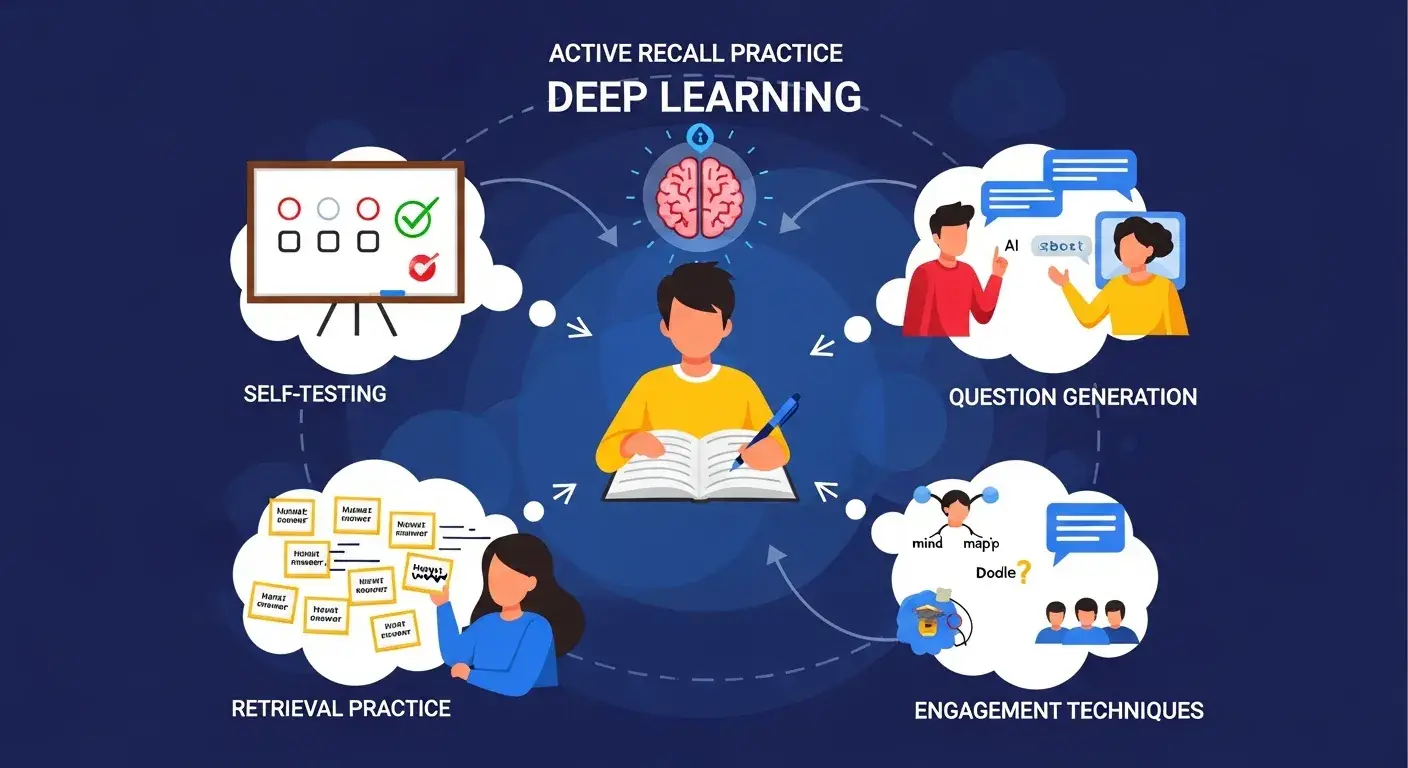
Embark on a journey to revolutionize your learning experience with advanced note-taking methods for enhanced knowledge retention. Beyond simply recording information, effective note-taking transforms passive listening into active engagement, building a robust framework for deeper understanding and lasting memory. This article delves into proven strategies that move beyond traditional transcription, empowering you to synthesize complex ideas, connect disparate concepts, and recall information effortlessly when it matters most.
By integrating cognitive science principles with practical techniques, you'll discover how to make your study sessions not just productive, but truly transformative. Prepare to elevate your learning, improve your academic performance, and cultivate a lifelong habit of smart knowledge acquisition.
Key Points:
- Active Recall & Spaced Repetition Integration: Learn how to embed these powerful memory-enhancing techniques directly into your note-taking.
- Visual & Connected Thinking: Explore methods like Mind Mapping and Zettelkasten to build a dynamic, interconnected web of knowledge.
- Strategic Digital Tool Utilization: Discover how modern software can amplify the effectiveness of traditional advanced note-taking methods.
- Personalized Method Adaptation: Understand that the most effective approach is often a blend of techniques tailored to your unique learning style and subject matter.
Introduction to Active Note-Taking: The Foundation of Retention
Many students find themselves diligently taking notes, only to struggle with recall during exams. The pitfall often lies in passive note-taking—merely transcribing lectures or textbook passages without active engagement. To truly achieve enhanced knowledge retention, your note-taking must evolve into an active learning process. This involves challenging your brain to process, summarize, and connect information rather than just copy it.
By consciously transforming how you capture information, you lay the groundwork for superior memory and deeper understanding. The goal isn't just to have notes, but to use notes as tools for continuous learning and recall.
The Cornell Method: Structure for Systematic Knowledge Retention
The Cornell Note-Taking Method is a classic structured approach designed specifically to facilitate recall and organization. It divides your note page into three distinct sections: a main note-taking area, a smaller cue column, and a summary section at the bottom. This layout encourages active processing during and after your learning sessions, making it a cornerstone among advanced note-taking methods.
During a lecture, you record main points in the largest section. Afterward, you use the cue column to jot down keywords, questions, or prompts that trigger the information in your main notes. The summary section at the bottom provides a concise overview of the entire page. This deliberate process of questioning and summarizing forces active recall, directly addressing the principles of spaced repetition by encouraging periodic review. For a deeper dive into how spaced repetition optimizes memory, explore our comprehensive guide on spaced repetition learning.
Zettelkasten: Building a Network of Knowledge for Deep Understanding
Originating from German scholar Niklas Luhmann, the Zettelkasten (slip-box) method is a powerful system for organizing and connecting individual ideas. Rather than monolithic topic-based notes, Zettelkasten emphasizes creating "atomic notes" – single, concise ideas – each linked to related notes. This fosters a dynamic web of knowledge, promoting unprecedented knowledge retention and creative synthesis.
The brilliance of Zettelkasten lies in its ability to reveal connections you might otherwise miss, encouraging deeper thought and original insights. Integrating modern digital tools like Obsidian or Roam Research allows for seamless Zettelkasten implementation, moving beyond physical index cards to a powerful, searchable, and interconnected digital brain. A 2024 study published in the Journal of Learning Analytics highlighted the significant boost in academic essay quality among students who adopted digital Zettelkasten systems, demonstrating its real-world impact on learning outcomes.
Mind Mapping & Visual Note-Taking: Engaging Your Brain Holistically
For learners who benefit from visual organization, Mind Mapping and other visual note-taking techniques offer a powerful alternative to linear notes. Mind maps typically start with a central concept, branching out into related ideas, keywords, and images. This non-linear, hierarchical structure mirrors the way our brains naturally process information, making connections more intuitive and memorable.
By engaging both logical and creative faculties, visual note-taking can dramatically improve comprehension and memory. It helps in seeing the "big picture" while still detailing specific components, making it an excellent tool for brainstorming, summarizing complex topics, or preparing for presentations. The brain's preference for visual stimuli makes these methods particularly potent for enhanced knowledge retention.
Leveraging Digital Tools for Next-Level Note-Taking and Knowledge Retention
The digital age has ushered in a plethora of tools that can supercharge your note-taking efforts. While the underlying principles of effective note-taking remain constant, digital platforms offer unparalleled capabilities for organization, search, and recall. Tools like Notion, Evernote, Obsidian, Roam Research, and Anki provide functionalities that go far beyond simple text entry.
These platforms enable easy linking between notes, embedding multimedia, creating searchable databases, and even integrating flashcard systems for active recall. For instance, Anki excels in spaced repetition, reminding you to review information just as you're about to forget it. Similarly, the bidirectional linking in tools like Obsidian supports a digital Zettelkasten, making it easier to build a networked knowledge base. To truly master recall, understanding dedicated active recall techniques is crucial. Discover more in our article: Master Active Recall Techniques for Efficient Studying.
Integrating Active Recall and Spaced Repetition into Your Note-Taking Workflow
The true power of advanced note-taking methods lies in their integration with cognitive science principles, particularly active recall and spaced repetition. Active recall involves retrieving information from memory rather than just rereading it. This "testing effect" strengthens neural pathways, making information easier to access later. Research by Professor John Dunlosky from Kent State University, updated in 2024, consistently highlights active recall and spaced practice as two of the most effective learning strategies.
Spaced repetition strategically spaces out your review sessions, combating the natural forgetting curve. Whether you're using Cornell cues to self-quiz, turning Zettelkasten notes into flashcards, or regularly revisiting mind maps, consciously incorporating these elements into your workflow is paramount. From personal experience, the combination of these two principles transforms information from temporary knowledge into enduring understanding.
Personalizing Your Approach: Finding the Best Fit
There is no one-size-fits-all solution when it comes to effective note-taking. The best method for you will depend on your learning style, the subject matter, and your personal preferences. The key is to experiment. Try the Cornell Method for structured lectures, a digital Zettelkasten for research, or mind maps for creative brainstorming. Don't be afraid to combine elements from different methods to create a hybrid system that works optimally for you. The goal is active engagement and deep processing, which ultimately leads to superior knowledge retention.
Frequently Asked Questions
What is the single most effective note-taking method for retention?
No single method is universally best; effectiveness comes from active engagement. Combining elements like active recall (e.g., Cornell's summary section, Zettelkasten's linking) and spaced repetition yields superior results over passive transcription. Your ideal method will be adaptable to your subject and learning style, often blending techniques for maximum impact on enhanced knowledge retention.
How can digital tools enhance my note-taking beyond just typing?
Digital tools transform note-taking from mere recording to dynamic knowledge management. Features like bidirectional linking (Obsidian, Roam) foster Zettelkasten-like networks, while integrated flashcard systems (Anki, Notion's toggles) facilitate spaced repetition and active recall. Advanced search capabilities also allow for rapid retrieval and synthesis of information across your entire knowledge base, significantly improving long-term retention.
Is it worth the effort to switch from my current note-taking habits?
Absolutely. While initially requiring a learning curve, investing in advanced note-taking methods like Zettelkasten or integrating active recall fundamentally changes how your brain processes and stores information. This leads to significantly enhanced understanding, long-term retention, and even improved critical thinking, making the initial effort a highly worthwhile investment in your learning journey.
Can these methods be applied to all subjects, including creative or practical fields?
Yes, these methods are highly adaptable. Cornell notes can organize theoretical concepts and practical steps alike. Zettelkasten excels at connecting disparate ideas, fostering creativity in writing or problem-solving. Mind mapping is invaluable for brainstorming and structuring complex projects. The core principles of active engagement and systematic organization transcend subject boundaries, making them effective across academic and professional domains for enhanced knowledge retention.
Elevate Your Learning Journey Today
Transforming your study sessions through advanced note-taking methods for enhanced knowledge retention is an investment in your intellectual future. By actively engaging with your material, utilizing structured approaches, leveraging digital innovation, and integrating cognitive science principles, you move from merely consuming information to truly mastering it. Start experimenting with these methods today and experience a profound difference in your understanding and recall.
We encourage you to share your experiences and tips in the comments below – what note-taking strategies have worked best for you? For further reading and to continue optimizing your entire study routine, consider how your environment impacts focus. Read our guide on Optimizing Your Learning Environment for Focus. Subscribe for more insights into effective learning and productivity!